Energy Minimization for Membrane Protein Systems: Computational Strategies for Structure, Function, and Drug Discovery
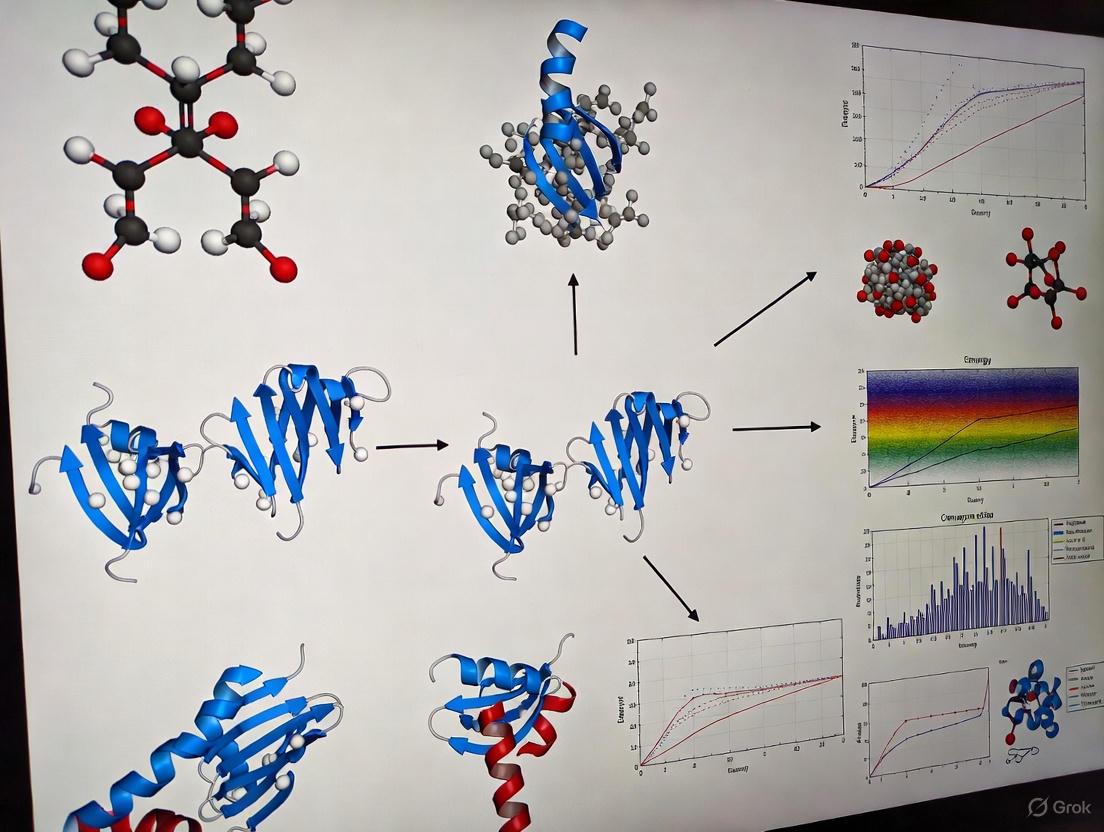
This article provides a comprehensive overview of energy minimization strategies specifically for membrane protein systems, which are critical targets for over 50% of modern pharmaceuticals.
Energy Minimization for Membrane Protein Systems: Computational Strategies for Structure, Function, and Drug Discovery
Abstract
This article provides a comprehensive overview of energy minimization strategies specifically for membrane protein systems, which are critical targets for over 50% of modern pharmaceuticals. We explore the foundational principles that distinguish membrane protein energetics from their soluble counterparts, including the role of the lipid bilayer and hydrophobic interactions. The content details advanced methodological approaches, from implicit membrane models and molecular dynamics simulations to fragment-based drug screening, offering practical guidance for application. We address common challenges in troubleshooting and optimization, such as managing hydrophobic mismatch and achieving accurate electrostatic representations. Finally, we present rigorous validation frameworks and comparative analyses of energy functions, equipping researchers with the knowledge to advance the study of GPCRs, ion channels, transporters, and other therapeutically relevant membrane proteins.
The Unique Energetic Landscape of Membrane Proteins: From Lipid Bilayers to Drug Targets
Why Membrane Proteins Require Specialized Energetic Considerations
Membrane proteins (MPs) perform critical cellular functions, from signal transduction to ion transport, while residing in the complex lipid bilayer of cells. Their structural stability and functional dynamics are governed by energetic principles distinct from those of soluble proteins. The native membrane environment profoundly influences every aspect of MP biology, creating unique energetic challenges that require specialized consideration for successful experimental and computational study [1]. Unlike soluble proteins, MPs must navigate the thermodynamic constraints of a heterogeneous lipid matrix, requiring specific adaptations in research methodologies focused on energy minimization and stabilization.
The fundamental principle that subcellular trafficking events require energy was established through seminal discoveries including George Palade's work on pancreatic exocrine cells and the identification of ATPases like NSF (N-ethylmaleimide sensitive factor) essential for membrane fusion processes [2]. This review examines the specialized energetic considerations for membrane proteins, providing researchers with detailed protocols and analytical frameworks for effective MP study within the context of energy minimization for membrane protein systems research.
Fundamental Energy Requirements in Membrane Protein Systems
ATP and GTP Dependencies in Membrane Trafficking
The intracellular journey of membrane proteins begins with energy-dependent processes that govern their synthesis, trafficking, and localization. Eukaryotic cells have evolved to efficiently transform environmental energy into storage molecules like ATP, GTP, NADH, and acetyl-CoA, with a significant portion dedicated to membrane-associated processes [2]. These energy transformation processes are exquisitely regulated by events where the limiting step requires controlled release of energy by ATP or GTP hydrolysis.
Key energy-dependent proteins are essential for all intracellular traffic steps. For instance, N-ethylmaleimide sensitive factor (NSF) is an ATPase essential for disassembly of SNARE complexes that mediate membrane fusion [2]. Similarly, small GTPases like ARF family proteins act as signaling components that regulate subcellular processes through GTP-binding and hydrolysis cycles [2]. Molecular machines such as kinesins and dyneins use ATP hydrolysis to generate processive movement of membrane-bound cargo along microtubules [2].
Protein-Specific Energy Requirements for Membrane Transport
The energy requirements for membrane integration and translocation demonstrate significant protein-specific variation, as revealed by studies of thylakoid membrane proteins. Research has established the thylakoid membrane as the only membrane system where a proton gradient (ΔpH) can provide all energy required to translocate proteins across the bilayer [3].
Table 1: Energy Requirements for Thylakoid Membrane Protein Transport
| Membrane Protein | Type | ATP Requirement | ΔpH Requirement | Energy Coupling Mechanism |
|---|---|---|---|---|
| LHCP (Light-harvesting chlorophyll a/b protein) | Integral membrane protein | Absolute requirement | Enhanced by ΔpH | ATP hydrolysis absolutely required, enhanced by proton gradient |
| OE33 (33-kDa subunit of oxygen-evolving complex) | Lumenal protein | Partial dependence | Partial dependence | Dual dependence on both ATP and proton gradient |
| OE23 & OE17 (23 & 17-kDa subunits of oxygen-evolving complex) | Lumenal proteins | No requirement | Absolute requirement | ΔpH alone provides sufficient energy for transport |
| Plastocyanin | Lumenal protein | No effect | No effect | Transport independent of both ATP and proton gradient |
This protein-specific variability in energy requirements highlights the need for tailored approaches when studying different classes of membrane proteins, as universal energy coupling mechanisms do not apply across all MP systems [3].
Computational Approaches for Membrane Protein Energy Minimization
Molecular Dynamics Protocols for Membrane Protein Refinement
Computational structure prediction and refinement of membrane proteins requires specialized protocols that account for the lipid environment. Physics-based refinement methods using molecular dynamics (MD) simulations can significantly improve model accuracy when properly configured [4]. The following protocol has demonstrated success in refining membrane protein structures through explicit sampling in lipid bilayers:
Initial System Setup:
- Select appropriate force fields with parameters for both proteins and lipids
- Generate initial homology models using tools like MODELLER based on PSI-BLAST alignments
- Insert the protein into a pre-formed membrane using tools like
g_membedor through coarse-grained self-assembly simulations - Solvate the system and add ions to neutralize charges and achieve physiological concentration
Energy Minimization and Equilibration:
- Conduct initial energy minimization to remove steric clashes
- Perform MD with strong positional restraints (1000 kJ/(mol·nm²)) on protein heavy atoms for 5-10 ns to allow lipid adjustment
- Equilibrate without restraints to ensure system stability
- Run production MD for extensive sampling
Structure Selection and Analysis:
- Extract snapshots from trajectories for scoring
- Employ knowledge-based (DFIRE, RWplus) or implicit membrane-based (HDGB) scoring functions
- Select top-ranked structures and average to generate refined models
- Apply local refinement using methods like locPREFMD to improve stereochemistry [4]
Table 2: Performance of Scoring Functions in Membrane Protein Refinement
| Scoring Function | Type | Key Features | Refinement Success | Recommended Application |
|---|---|---|---|---|
| DFIRE | Knowledge-based | Distance-dependent statistical potential | High | General refinement of both α-helical and β-barrel MPs |
| RWplus | Knowledge-based | Distance and orientation-dependent potential | High | Improvement of side-chain packing in MPs |
| HDGBv3 | Implicit membrane | Generalized Born formalism with SASA approximation | Comparable to knowledge-based | Accounting for membrane lipid-facing residues |
| HDGBvdW | Implicit membrane | HDGB with van der Waals term for non-polar interactions | Comparable to knowledge-based | Systems requiring better non-polar interaction treatment |
Troubleshooting Common Energy Minimization Issues
Membrane protein simulations frequently encounter specific challenges during energy minimization that require specialized troubleshooting:
Water Molecule Infiltration: When solvating pre-formed membranes, water molecules may infiltrate hydrophobic regions. Several approaches can address this:
- Short MD runs to allow hydrophobic effect to exclude waters
- Increase water exclusion radius using the
-radiusoption ingmx solvate - Modify
vdwradii.datto increase lipid atom radii (0.35-0.5nm suggested for carbon) - Manual deletion of interstitial waters with corresponding topology adjustments [5]
Nonbonded Interaction Warnings: Warnings about nonbonded interactions beyond table limits often indicate system issues:
- These typically occur between particles at distances >2.050 nm
- May indicate problematic 1,4 interactions or listed interactions in decoupled molecules
- Should not occur in stable simulations, indicating potential system setup issues [6]
Force Convergence Failure: When energy minimization stops without force convergence to requested precision:
- May indicate the algorithm attempted steps that were too small
- Can result from no energy change between steps
- May still represent convergence to available machine precision
- Consider using double precision for improved accuracy [6]
Experimental Methodologies for Membrane Protein Energy Analysis
Proteome-Wide Platform for Native Nanodisc Extraction
Recent advances enable proteome-wide quantitative analysis of membrane protein extraction efficiency while maintaining native membrane environments. This approach uses membrane-active polymers (MAPs) to capture MPs directly from cellular membranes into native nanodiscs, preserving local membrane context [1]. The protocol involves:
High-Throughput Bulk Membrane Solubilization Assay:
- Label native membranes with fluorescent lipids
- Incubate with target MAPs to initiate solubilization
- Measure fluorescence reading (fl1) before quenching
- Quench with dithionite to distinguish nanodiscs from vesicles
- Take second fluorescence reading (fl2) after quenching
- Calculate percent solubilization into nanodiscs:
Bulk solubilization = 100 - [(2 × fl2)/fl1 × 100] [1]
This assay quantitatively determines true membrane solubilization capability by distinguishing between MAP-solubilized native nanodiscs and unsolubilized small membrane vesicles, overcoming limitations of traditional light-scattering approaches.
Quantitative Proteomic Screening:
- Build database of extraction efficiency across polymer conditions
- Cover integral (polytopic and bitopic) and monotopic peripherally associated MPs
- Identify optimal extraction conditions for target MPs
- Enable spatially resolved extraction from specific organellar membranes [1]
Quantitative Characterization of Membrane-Protein Reversible Association
Fluorescence correlation spectroscopy (FCS) provides powerful quantification of reversible protein-membrane interactions, essential for understanding binding energetics. The extended theory accounts for spontaneous protein-membrane dissociation and reassociation to the same or different lipid vesicles [7].
Experimental Workflow:
- Prepare lipid vesicles with appropriate composition
- Incorporate fluorescently labeled target proteins
- Perform FCS measurements under equilibrium conditions
- Analyze autocorrelation data using derived probability distributions
- Calculate partition coefficient (Kx) from titration experiments
- Validate against reaction-diffusion simulations [7]
This approach establishes the limits for Kx determination by FCS and enables study of protein-membrane association thermodynamics, as demonstrated with anti-HIV broadly neutralizing antibody (10E8-3R) membrane association [7].
Research Reagent Solutions for Membrane Protein Studies
Table 3: Essential Research Reagents for Membrane Protein Energetics Studies
| Reagent/Category | Specific Examples | Function/Application | Energetic Considerations |
|---|---|---|---|
| Membrane-Active Polymers (MAPs) | SMA (styrene-maleic acid), DIBMA | Form native nanodiscs preserving local membrane environment | Maintain native lipid-protein interactions; no detergent energy penalty |
| Chemical Probes | Sulfo-NHS-SS-Biotin | Membrane-impermeable probe for surface protein labeling | Selective external labeling minimizes energetic disruption of membrane integrity |
| Lipid Systems | POPC, POPE, POPG, DPPC, DLPC | Synthetic bilayers with defined composition | Control hydrophobic mismatch and lipid-specific regulation of protein energetics |
| Stable Isotopes | H₂¹⁸O for ¹⁸O labeling | Quantitative proteomics via enzymatic oxygen exchange | Enables precise quantification without altering protein folding energetics |
| Detergents | DDM, LDAO, OG | Membrane protein solubilization | Energetic cost of stripping native lipids must be considered in MP stability |
| Force Fields | CHARMM, AMBER, GROMOS | Molecular dynamics simulations | Parameterization must capture unique MP energetics in lipid environments |
Signaling Pathways and Regulatory Mechanisms
Lipid-Dependent Regulation Through Preferential Solvation
Membrane protein regulation often occurs through lipid composition changes rather than specific binding events. The mechanism of preferential lipid solvation influences dimerization equilibria without long-lived lipid binding at specific sites [8]. Studies of CLC-ec1 chloride/proton antiporter reveal how lipid composition modulates dimerization through solvation energetics rather than specific binding.
Diagram 1: Lipid Regulation via Preferential Solvation (67 characters)
Energetic Coupling in Membrane Protein Trafficking
The intracellular trafficking of membrane proteins involves multiple energy-dependent steps coordinated by various GTPases and ATPases. This pathway ensures proper localization and function through regulated energy expenditure.
Diagram 2: Energetic Pathway of MP Trafficking (52 characters)
Advanced Analytical Framework for Membrane Protein Energetics
Thermodynamic Measurements of Lipid Regulation
Discriminating between specific lipid binding and preferential solvation requires rigorous thermodynamic analysis. The following experimental approaches enable mechanistic distinction:
Equilibrium Titration Studies:
- Measure protein equilibria within native lipid bilayers
- Titrate lipid composition while monitoring conformational states
- Analyze saturation behavior to distinguish specific binding vs. solvation
- Apply linkage thermodynamics to interpret lipid effects [8]
Single-Molecule and Computational Integration:
- Combine single-molecule experiments with molecular dynamics analysis
- Calculate solvation free energies with high statistical precision
- Evaluate energetics before protein-protein interaction formation
- Determine how lipid enrichment translates to energetic changes [8]
Protocol for Potential of Mean Force (PMF) Calculations
Determining the potential of mean force provides essential energetic profiles for membrane processes. The GROMACS implementation involves:
Reaction Coordinate Sampling:
- Generate configurations along defined reaction coordinate
- Use steered MD, normal MD, or constructed configurations
- Implement umbrella sampling with window restraints
WHAM Analysis:
- Apply
gmx whamfor Weighted Histogram Analysis Method - Reconstruct PMF curve from umbrella sampling data
- Validate statistical precision through block analysis [5]
This approach enables quantification of energetic barriers for processes like membrane insertion, protein association, and conformational changes in lipid environments.
Membrane proteins require specialized energetic considerations due to their unique positioning at the interface of aqueous and lipid environments. The complex interplay between protein folding energetics, lipid solvation effects, and ATP/GTP-dependent regulatory mechanisms creates a challenging but rich landscape for scientific exploration. Successful research in this field demands integrated approaches combining computational simulations with experimental validation, while accounting for protein-specific variations in energy coupling mechanisms.
Emerging technologies like native nanodisc extraction platforms and advanced fluorescence spectroscopy methods are enabling unprecedented quantitative analysis of membrane protein energetics. Future advances will likely focus on developing more accurate force fields for molecular simulations, high-throughput screening of lipid effects, and integration of multi-scale energetic measurements to build comprehensive models of membrane protein behavior in native environments. These developments will be essential for advancing drug discovery efforts targeting membrane proteins, which represent over 60% of current pharmaceutical targets.
Membrane protein research stands as a critical frontier in structural biology and drug discovery, yet investigating these proteins remains exceptionally challenging due to their native lipid bilayer environment. The intricate interplay between hydrophobicity, solvation effects, and specific lipid interactions creates a complex energy landscape that governs membrane protein folding, stability, and function. Overcoming these challenges requires sophisticated methodological approaches that faithfully recapitulate the native membrane environment while enabling precise biophysical measurements. This Application Note outlines validated experimental and computational protocols for studying membrane proteins within the context of energy minimization principles, providing researchers with practical frameworks for addressing the unique constraints posed by the lipid environment. The protocols detailed below integrate recent advances in steric trapping techniques, molecular dynamics simulations, and free energy calculations to illuminate how solvation thermodynamics in lipid bilayers influences membrane protein energetics.
Table 1: Experimental Measurements of Membrane Protein Stability in Different Amphiphilic Environments
| Protein System | Amphiphilic Environment | Stability Metric (ΔG°N-D) | Key Determinants Identified |
|---|---|---|---|
| GlpG (E. coli rhomboid protease) | DDM micelles | Reference value [9] | Hydrophobic thickness, amphiphile packing strength |
| GlpG (E. coli rhomboid protease) | DMPC/CHAPS bicelles (q=1.5) | Enhanced stability vs. micelles [9] | Lipid solvation promotes residue burial, strengthens cooperative networks |
| CLC-ec1 antiporter | POPE/POPG membranes | Dimerization equilibrium [8] | Preferential lipid solvation, hydrophobic mismatch relief |
| CLC-ec1 antiporter | POPE/POPG + DLPE/DLPG (≤1%) | Inhibited dimerization [8] | Short-chain lipid enrichment at interface without saturation |
Table 2: Computational Methods for Membrane Protein Energy Calculations
| Method | Application | Key Advancements | System Validated |
|---|---|---|---|
| MMPBSA with membrane corrections | Binding affinity calculations | Automated membrane parameterization, multi-trajectory approach, entropy corrections | P2Y12R receptor with agonists/antagonists [10] |
| Coarse-grained molecular dynamics | Lipid solvation energetics | Calculation of solvation free energy changes with lipid composition | CLC-ec1 dimerization in POPC/DLPC mixtures [8] |
| Cold-inbetweening algorithm | Conformational pathway mapping | Computationally efficient torsion-based interpolation between end-states | DraNramp, MalT, MATE transporters [11] |
| Grid Inhomogeneous Solvation Theory (GIST) | Solvation thermodynamic mapping | Hydration site identification, water-based pharmacophores | Drug binding pockets [12] |
Theoretical Framework and Energetic Principles
The folding and conformational equilibria of membrane proteins are governed by distinct thermodynamic principles compared to soluble proteins. While the hydrophobic effect drives the initial partitioning of transmembrane domains into the lipid bilayer (Stage I folding), the subsequent formation of tertiary structure (Stage II folding) occurs within an essentially anhydrous environment where traditional hydrophobic effects are negligible [9]. In this context, van der Waals packing, hydrogen bonding, and lipid-mediated interactions become dominant forces governing protein stability and conformational changes.
The lipophobic effect describes how lipid solvation enhances protein stability by facilitating residue burial in the protein interior, mirroring the hydrophobic effect for soluble proteins but with fundamentally different physical origins [9]. This effect emerges from the collective properties of the lipid bilayer, including its hydrophobic thickness and amphiphile packing density, which together determine the energetic cost of exposing imperfectly packed protein surfaces to the lipid environment. Molecular dynamics simulations reveal that inefficient protein solvation by lipids favors intraprotein interactions over lipid-protein interactions, thereby strengthening cooperative residue-interaction networks and promoting propagation of local structural perturbations throughout the protein [9].
The concept of preferential lipid solvation further elucidates how membrane composition regulates protein equilibria. Rather than relying exclusively on long-lived specific lipid binding, membranes can influence protein conformation through dynamic enrichment of particular lipid species at protein surfaces, creating a solvation shell whose composition differs from the bulk membrane [8]. This mechanism explains how minor lipid components (often <1%) can substantially shift conformational equilibria without saturable binding behavior, representing a widespread regulatory principle in membrane biology.
Experimental Protocols
Steric Trapping for Thermodynamic Stability Measurements
Purpose: Quantify the thermodynamic stability (ΔG°N-D) of helical membrane proteins in lipid bilayers under native conditions.
Principle: This method couples spontaneous protein denaturation to simultaneous binding of two monovalent streptavidin (mSA) molecules to biotin tags incorporated at specific sites. Steric hindrance permits the second mSA binding event only when tertiary contacts between biotinylated residues are disrupted, enabling quantification of unfolding free energies [9].
Materials:
- Double-cysteine mutant of target membrane protein: Enables specific labeling with biotin derivatives
- BtnPyr (pyrene-functionalized biotin): Thiol-reactive biotin derivative for fluorescence detection
- Monovalent streptavidin (mSA): Engineered tetramer with single active biotin-binding subunit (52 kDa)
- Lipid bilayers or bicelles: Native membrane environment (e.g., DMPC/CHAPS bicelles, q=1.5)
- Purification chromatography system: For protein isolation and characterization
Procedure:
- Protein Engineering: Introduce two cysteine residues at spatially proximate sites in the native tertiary structure that are distant in the primary sequence [9].
- Biotinylation: Label the cysteine mutants with BtnPyr (1.5-2.0 molar excess, 2 hours, room temperature) and remove excess reagent via gel filtration chromatography [9].
- Membrane Reconstitution: Incorporate double-biotinylated protein into bicelles or liposomes at controlled protein-to-lipid ratios (e.g., 1:500 molar ratio) [9].
- First mSA Binding: Incubate with excess mSA (1.5-2× molar ratio) to ensure complete binding to one biotin tag. Measure binding completion via fluorescence change or native gel shift [9].
- Second mSA Binding Titration: Titrate additional mSA while monitoring binding via fluorescence quenching or analytical size exclusion chromatography.
- Data Analysis: Fit binding isotherm to determine attenuated binding affinity for the second mSA binding event. Calculate ΔG°N-D using the relationship: ΔG°Bind2 = ΔG°Bind + ΔG°N-D, where ΔG°Bind is the intrinsic mSA-biotin binding affinity determined independently [9].
Technical Notes:
- Validate that biotinylation does not perturb protein function through activity assays.
- Control for non-specific binding using non-biotinylated protein.
- For bicelle systems, confirm discoidal morphology and size uniformity via cryo-EM (
~90 Å for DMPC/CHAPS, q=1.5) [9]. - Optimize mSA binding affinity through amino acid substitutions in its active subunit to match the expected protein stability [9].
Molecular Dynamics for Preferential Solvation Analysis
Purpose: Characterize lipid distribution and dynamics around membrane proteins to identify preferential solvation patterns.
Principle: Molecular dynamics simulations track the temporal and spatial distribution of different lipid species around membrane proteins, revealing enrichment or depletion relative to bulk concentrations through statistical analysis of trajectory data [8].
Materials:
- Atomic structures: Protein coordinates from crystallography or cryo-EM
- Force fields: Compatible protein and lipid parameters (e.g., CHARMM, Martini for coarse-grained)
- Simulation software: GROMACS, AMBER, or NAMD
- High-performance computing resources: Multi-core CPU/GPU clusters
- Trajectory analysis tools: VMD, MDAnalysis, custom scripts
Procedure:
- System Setup:
- Obtain or generate protein structure with missing loops modeled (e.g., using Modeller) [10].
- Orient protein in membrane using OPM, PPM, or CHARMM-GUI Membrane Builder [10].
- Construct asymmetric bilayer with desired lipid composition using membrane building tools.
- Solvate with water (e.g., TIP3P model), add ions to physiological concentration (150 mM NaCl).
Equilibration Protocol:
- Energy minimization: Steepest descent (5000 steps) until Fmax < 1000 kJ/mol/nm.
- Solvent/lipid equilibration: Position-restrained MD (1 ns) with protein heavy atoms restrained (1000 kJ/mol/nm²).
- Membrane adjustment: Unrestrained MD (5-10 ns) to allow lipid relaxation around protein [13].
- Full equilibration: Unrestrained production simulation until system properties stabilize.
Production Simulation:
- Run extended simulations (≥40 μs for atomistic, longer for coarse-grained) with periodic boundary conditions.
- Maintain temperature (310 K) with Nosé-Hoover thermostat and pressure (1 bar) with Parrinello-Rahman barostat.
- Employ semi-isotropic pressure coupling for membrane systems.
Lipid Dynamics Analysis:
- Calculate 2D density maps for each lipid species around the protein.
- Determine enrichment ratios: (local lipid concentration)/(bulk lipid concentration).
- Identify annular shell lipids through proximity criteria (e.g., lipid headgroups within 5 Å of protein).
- Compute residence times for lipids in specific sites through autocorrelation functions.
Technical Notes:
- Ensure force field consistency between protein and lipids [13].
- For mixed membranes, verify lipid distribution homogeneity before production runs.
- Use multiple replicates (≥3) to assess statistical significance of observed enrichment.
- For coarse-grained simulations, backmap to all-atom representation for detailed analysis.
Figure 1: Workflow for Molecular Dynamics Analysis of Preferential Lipid Solvation
Computational Methods
Extended MMPBSA for Membrane Protein-Ligand Systems
Purpose: Calculate binding free energies for membrane protein-ligand complexes with accuracy comparable to experimental measurements.
Principle: The Molecular Mechanics Poisson-Boltzmann Surface Area (MMPBSA) method approximates binding free energies by combining molecular mechanics energy terms with implicit solvation models. Recent extensions incorporate membrane-specific corrections to address the heterogeneous dielectric environment of lipid bilayers [10].
Materials:
- MD simulation trajectories: Pre-equilibrated trajectories of receptor, ligand, and complex
- AMBER software suite: Includes updated MMPBSA.py with membrane capabilities
- Membrane parameters: Thickness, center position, lipid composition data
- Entropy estimation tools: Normal mode analysis or quasi-harmonic approximation
Procedure:
- System Preparation:
MD Simulation:
- Run conventional MD simulations for each species (receptor, ligand, complex).
- For membrane systems, use explicit membrane representation during MD.
- Ensure adequate sampling (≥100 ns per system) with multiple replicates.
Membrane Parameterization:
- Use automated membrane placement in AMBER's MMPBSA.py to determine bilayer thickness and center.
- Alternatively, calculate manually from MD trajectories using lipid headgroup distributions.
MMPBSA Calculation:
- Extract snapshots from MD trajectories (e.g., every 100 ps).
- Calculate energy terms with membrane dielectric model (εmembrane = 2-4, εwater = 80).
- Apply non-polar solvation term based on solvent-accessible surface area.
- Include entropy corrections via truncated normal mode analysis [10].
Validation:
- Compare with experimental binding affinities (where available).
- Perform statistical analysis across trajectory replicates.
Technical Notes:
- The multi-trajectory approach significantly improves accuracy for systems with large ligand-induced conformational changes [10].
- Automated membrane parameterization eliminates manual PDB parsing and improves accessibility [10].
- Consistent treatment of continuum dielectric regions is critical for accurate electrostatic calculations [10].
Free Energy Calculations for Lipid Solvation Energetics
Purpose: Determine the effect of lipid composition changes on membrane protein conformational equilibria through solvation free energy calculations.
Principle: Using thermodynamic integration or free energy perturbation methods with coarse-grained or all-atom representations, this protocol quantifies how lipid solvation contributes to the relative stability of different protein conformational states [8].
Procedure:
- System Setup:
- Build simulation systems for protein conformational states (e.g., monomer vs. dimer) in different lipid environments.
- Use coarse-grained representations (e.g., Martini) for enhanced sampling of lipid dynamics.
Equilibration:
- Run extended simulations (≥10 μs coarse-grained) to ensure adequate lipid mixing and sampling.
- Verify convergence through lipid order parameters and protein RMSD.
Free Energy Calculation:
- Apply Bennett Acceptance Ratio (BAR) or Thermodynamic Integration (TI) to calculate solvation free energy differences.
- Use alchemical transformations to mutate lipid environments while keeping protein coordinates restrained.
- For large systems, employ multi-state approaches (e.g., MBAR).
Analysis:
- Decompose free energy contributions by residue or protein domain.
- Correlate with experimental measurements of conformational equilibria.
- Identify specific lipid interaction sites through spatial distribution functions.
Validation:
- Compare calculated free energy changes with experimental measurements (e.g., dimerization constants) [8].
- Verify that enrichment patterns match those observed in direct simulation.
The Scientist's Toolkit
Table 3: Essential Research Reagents and Computational Tools for Membrane Protein Studies
| Reagent/Tool | Function/Application | Key Features | Example Use |
|---|---|---|---|
| DMPC/CHAPS bicelles (q=1.5) | Membrane mimetic for stability studies | Discoidal morphology, ~90Å diameter, dynamic lipid exchange [9] | GlpG folding stability measurements |
| Monovalent streptavidin (mSA) | Steric trapping partner | Single active biotin-binding site, 52 kDa, tunable affinity [9] | Coupling binding to unfolding events |
| BtnPyr (pyrene-biotin) | Dual labeling and detection | Thiol-reactive, fluorescent reporter, biotin functionality [9] | Site-specific protein labeling |
| CHARMM-GUI Membrane Builder | Membrane system preparation | Automated bilayer construction, multiple force fields [10] | MD simulation setup |
| AMBER MMPBSA.py with membrane extensions | Binding free energy calculations | Automated membrane parameters, multi-trajectory approach [10] | P2Y12R ligand binding studies |
| Martini coarse-grained force field | Enhanced sampling of lipid dynamics | Faster conformational sampling, backmapping capability [8] | Preferential solvation analysis |
| Cold-inbetweening algorithm | Conformational pathway generation | Torsion-based interpolation, computationally efficient [11] | Transport mechanism studies |
| Grid Inhomogeneous Solvation Theory (GIST) | Solvation thermodynamic mapping | Hydration site analysis, water pharmacophores [12] | Binding site solvation analysis |
Concluding Remarks
The integrated experimental and computational approaches outlined in this Application Note provide researchers with robust methodologies for addressing the fundamental challenges of hydrophobicity, solvation, and lipid environment in membrane protein studies. The steric trapping method enables direct thermodynamic measurements in near-native lipid environments, revealing how lipid solvation enhances protein stability through mechanisms distinct from the classical hydrophobic effect. Complementary computational protocols offer atomic-level insights into preferential lipid solvation and its thermodynamic consequences, bridging molecular observations with macroscopic protein behavior.
These methodologies collectively advance the overarching goal of energy minimization in membrane protein research by providing quantitative frameworks for understanding how lipid environments shape the folding landscape. The observed strengthening of cooperative residue networks through lipid solvation [9] and the prevalence of preferential solvation mechanisms [8] suggest general principles that extend across diverse membrane protein families. As these methods continue to evolve, they will undoubtedly yield deeper insights into the allosteric coupling between membranes and proteins [14], ultimately enhancing our ability to predictively model and rationally manipulate membrane protein function for basic science and therapeutic applications.
The Critical Role of Energy Minimization in Drug Discovery for GPCRs and Ion Channels
Energy minimization serves as a critical first step in molecular dynamics (MD) simulations, ensuring that molecular systems possess physically realistic geometries before undergoing more computationally intensive simulations. For membrane protein targets like G protein-coupled receptors (GPCRs) and ion channels, which are pivotal in modern drug discovery, proper energy minimization is not merely a technical formality but a fundamental prerequisite for obtaining biologically relevant results. This application note details the essential role of energy minimization, provides validated protocols for simulating these target classes, and presents data illustrating its impact on structural models and virtual screening outcomes, thereby supporting more reliable structure-based drug discovery (SBDD).
Structure-based drug discovery (SBDD) leverages three-dimensional protein structures to identify and optimize therapeutic compounds [15]. For membrane-embedded proteins, including GPCRs and ion channels, molecular dynamics simulations are an indispensable tool for understanding behavior at atomic resolution [16]. The initial structure, often derived from X-ray crystallography, cryo-electron microscopy (cryo-EM), or AI-based prediction, may contain structural imperfections such as steric clashes, distorted bond lengths, or unfavorable angles introduced during the modeling process or placement into a simulated membrane environment [16].
Energy minimization algorithms address these issues by iteratively adjusting atomic coordinates to find a local minimum on the potential energy surface. This process relieves internal stresses within the molecular system, resulting in a stable starting configuration. Bypassing this step can lead to unphysical forces that destabilize the simulation, cause simulation crashes, or produce non-representative dynamics, ultimately compromising the interpretation of results for drug discovery. The following sections outline specific protocols and demonstrate how rigorous minimization underpins successful studies of these therapeutically vital membrane protein classes.
Quantitative Comparison of GPCR and Ion Channel Targets
The following tables summarize the therapeutic landscape and key characteristics of GPCRs and ion channels, highlighting both the opportunities and the technical challenges in their simulation.
Table 1: Therapeutic Landscape and Drug Development Status
| Feature | GPCRs | Ion Channels |
|---|---|---|
| Approved Drug Targets | 121 unique GPCRs targeted by FDA-approved drugs (as of 2022) [17] | Vastly underrepresented compared to GPCRs [17] |
| Representative Diseases | Cardiovascular disease, metabolic disorders, psychiatry [17] | Chronic pain, epilepsy, cardiac arrhythmias, glioblastoma [18] [17] |
| High-Throughput Assays | Robust, scalable (e.g., cAMP accumulation, calcium flux) [17] | Complex, lower throughput; lack native cellular context [17] |
| Structural Data | >500 unique experimental structures available [17] | Fewer structures, often missing endogenous regulators [17] |
Table 2: Key Characteristics and Simulation Considerations
| Aspect | GPCRs | Ion Channels |
|---|---|---|
| Primary Function | Signal transduction across membrane [15] | Regulation of ion flux and membrane excitability [18] |
| Simulation Challenge | Capturing state-specific conformations (inactive/active) [15] | Accurate pore solvation and lipid interactions [19] |
| Critical for Minimization | Relief of steric clashes from ligand docking or loop modeling | Correcting distortions from membrane embedding and ensuring pore hydration [19] |
| Consequence of Poor Minimization | Incorrect conformational state, misleading virtual screening | Artifactual lipid occlusion of pore, non-physical ion permeation [19] |
Experimental Protocols for Energy Minimization
This section provides a detailed, step-by-step protocol for setting up and running energy minimization for a membrane protein system using the GROMACS MD suite [16].
System Setup and Minimization Protocol
Materials and Reagents
- Protein Structure Coordinates: Obtain from PDB, cryo-EM, or AI-predicted models (e.g., AlphaFold2) [15] [16].
- Force Field: Choose a self-consistent force field (e.g., CHARMM36 for proteins and lipids). Do not mix and match force fields [20].
- Software: GROMACS MD simulation suite [16].
Procedure
- Structure Preparation:
- Obtain your protein structure file (
protein.pdb). Remove extraneous water molecules and ligands if necessary [16]. - Generate the GROMACS-compatible topology and coordinate files using
pdb2gmx. This step adds hydrogen atoms and assigns force field parameters.
- Obtain your protein structure file (
Define the Simulation Box:
- Place the protein in a centrally located box with sufficient space for the membrane and solvent. A cubic or dodecahedral box is typical.
Membrane Embedding and Solvation:
- Embed the protein into a pre-formed lipid bilayer or use a coarse-grained self-assembly simulation followed by conversion to an all-atom model [20].
- Solvate the system with water using the
solvatecommand. Be aware that water molecules may be inserted into the membrane hydrophobic core; these are often expelled during minimization and equilibration [20].
System Neutralization:
- Add ions to neutralize the system's net charge and achieve a physiologically relevant ion concentration.
Energy Minimization:
- The core minimization step uses the steepest descent algorithm to relieve steric clashes. This is critical for achieving a stable starting structure.
- A sample parameter file (
em.mdp) for energy minimization is provided below.
Table 3: Key em.mdp Parameters for Energy Minimization
| Parameter | Setting | Explanation |
|---|---|---|
define |
-DFLEXIBLE |
Can be used for simpler systems to allow more flexibility during minimization. |
integrator |
steep |
Specifies the steepest descent algorithm for efficient energy minimization. |
emtol |
1000.0 |
Stop minimization when the maximum force is below 1000 kJ/(mol·nm). |
emstep |
0.01 |
Initial step size (in nm). |
nsteps |
50000 |
Maximum number of minimization steps. |
nstlist |
10 |
Frequency for updating the neighbor list. |
cutoff-scheme |
Verlet |
Uses the modern Verlet cutoff scheme. |
vdw-type |
Cut-off |
Treatment of van der Waals interactions. |
rvdw |
1.0 |
van der Waals cutoff radius (in nm). |
coulombtype |
Cut-off |
Treatment of electrostatic interactions. |
rcoulomb |
1.0 |
Electrostatic cutoff radius (in nm). |
Post-Minimization Equilibration
Following successful energy minimization, the system must undergo a careful equilibration process:
- Membrane Adjustment: Run a short MD simulation (e.g., 5-10 ns) with position restraints applied to the protein's heavy atoms. This allows the lipid membrane to adjust and pack around the protein without the protein structure becoming distorted [20].
- Full System Equilibration: Perform an unrestrained MD simulation to allow the entire system, including solvent and ions, to reach equilibrium [20].
- Production MD: Finally, run a production MD simulation for data collection and analysis.
Visualizing Workflows and Pathways
The following diagrams illustrate the logical workflow for MD system preparation and the role of energy minimization in the broader context of SBDD.
Diagram Title: MD System Setup Workflow
Diagram Title: Energy Minimization in SBDD
The Scientist's Toolkit: Research Reagent Solutions
Table 4: Essential Materials and Tools for Membrane Protein Simulations
| Item | Function/Description | Example/Reference |
|---|---|---|
| GROMACS MD Suite | Open-source software for performing MD simulations and energy minimization [16]. | GROMACS Website |
| CHARMM36 Force Field | A self-consistent set of parameters for proteins, lipids, and ions; commonly used for membrane systems [19]. | |
| CHARMM TIP3P Water Model | A specific parameterization for water molecules used with the CHARMM force field [19]. | |
| AlphaFold2 (AF2) Models | AI-predicted protein structures for targets lacking experimental structures; requires careful assessment of conformational state [15]. | AlphaFold Protein Structure Database |
| Lipidbook | A public repository for force-field parameters of lipids and other molecules used in membrane simulations [20]. | |
| INSANE Tool | A coarse-grained building tool for assembling complex membranes with various lipid compositions around proteins [19]. |
Continuum vs. Atomistic Representations of the Membrane
Biological membranes are fundamental to cellular life, acting not only as barriers but as active participants in a vast array of cellular functions. The study of membranes and the proteins embedded within them is crucial for understanding phenomena ranging from synaptic transmission to drug action. In computational research, two primary frameworks have emerged for modeling these complex systems: atomistic representations and continuum descriptions. Atomistic models explicitly represent every atom in the system, providing high-resolution detail at a significant computational cost. In contrast, continuum models treat the membrane as an elastic sheet, sacrificing molecular detail for computational efficiency and the ability to simulate larger spatial and temporal scales. The choice between these representations is pivotal in the context of energy minimization for membrane protein systems, as it directly influences the accuracy of calculated deformation energies, protein stability, and the feasibility of simulating biological processes. This article outlines the core principles of each approach, provides direct comparisons, and details protocols for their application, aiming to equip researchers with the knowledge to select the appropriate tool for their scientific inquiries. [21] [22] [23]
Core Principles and Theoretical Foundations
Continuum Elastic Membrane Theory
Continuum models describe the membrane as a two-dimensional planar, elastic sheet embedded in a three-dimensional space. This simplification allows for the calculation of the energy cost of deformations based on the theory of elasticity. The total elastic energy of a membrane is typically a sum of several deformation modes, each with its own associated modulus [22] [23].
Primary Energy Terms in Continuum Models:
Area Expansion/Compression: This energy penalty arises from stretching or compressing the membrane surface area away from its preferred equilibrium. It is analogous to stretching a spring and is described by the formula: (E{a}=\frac{K{a}}{2} \int (\frac{ \Delta a}{a{0}})^2 da ) where (Ka) is the area expansion modulus, with values typically around 55-70 kBT (or 230-290 mN/m) [23].
Bending: The energy cost of curving the membrane is central to processes like vesicle formation and protein-induced bending. In its classical form, the bending energy is governed by the Helfrich Hamiltonian: (Wb = \int \frac{B}{2} (C1 + C2 - C0)^2 dS ) where (B) is the bending modulus, (C1) and (C2) are the principal curvatures, and (C_0) is the spontaneous curvature that accounts for membrane asymmetry [22].
Thickness Variation (Compression): This energy term penalizes deviations in the membrane's hydrophobic thickness from its equilibrium value, a phenomenon known as hydrophobic mismatch. It is given by: (E{\text {thickness}}=\frac{K{t}}{2} \int\left(\frac{w(x, y)-w{0}}{w{0}}\right)^{2} d a) where (K_t) is the thickness stiffness, approximately 60 kBT/nm² [23].
Shear: Pure phospholipid membranes are two-dimensional fluids and cannot support static shear strain, meaning the shear modulus is zero [23].
Atomistic and Coarse-Grained (CG) Molecular Representations
Atomistic models, simulated using Molecular Dynamics (MD), explicitly represent every atom of the membrane and its environment. This allows for the study of specific chemical interactions, such as hydrogen bonding, lipid packing, and the precise interaction between lipids and protein residues. The energy of the system is calculated based on a force field that defines bonded and non-bonded interactions between all atoms. The primary limitation is the immense computational cost, which restricts the accessible time and length scales [24] [25].
Coarse-grained (CG) models offer a compromise by grouping multiple atoms into a single "bead." This reduction in degrees of freedom, such as in the Martini force field, allows simulations to reach microseconds in time and larger spatial scales, facilitating the study of processes like lipid self-assembly and protein aggregation. However, these models lack atomic detail and require a method to "back-map" to an atomistic resolution for detailed analysis [24].
The Hybrid Continuum-Atomistic Approach
A powerful advancement has been the development of hybrid models that couple a chemically and geometrically accurate representation of the protein with a continuum membrane. This approach aims to capture the physical accuracy of membrane deformation observed in fully atomistic MD simulations while maintaining the computational efficiency of continuum methods. For instance, such a hybrid model has shown excellent agreement with atomistic simulations of the gramicidin channel and the nhTMEM16 lipid scramblase, successfully reproducing membrane distortions and revealing significant stabilization of insertion energies for charged sensor segments [21] [26].
Quantitative Comparison of Membrane Models
Table 1: Key Parameters for Continuum Elastic Models
| Parameter | Symbol | Typical Value/ Range | Description |
|---|---|---|---|
| Area Expansion Modulus | (K_a) | 55 - 70 kBT [23] | Energy penalty for stretching the membrane surface area. |
| Bending Modulus | (B) | 10 - 20 kBT [22] | Resistance of the membrane to curvature. |
| Thickness Stiffness | (K_t) | ~60 kBT/nm² [23] | Energy penalty for compressing or expanding the hydrophobic thickness. |
| Spontaneous Curvature | (C_0) | Varies with lipid composition | The intrinsic curvature a membrane monolayer possesses, often due to lipid asymmetry. |
Table 2: Comparison of Model Capabilities and Limitations
| Feature | Continuum Elastic | Atomistic MD | Coarse-Grained (CG) MD |
|---|---|---|---|
| Spatial Scale | Microns | Tens of nanometers | Hundreds of nanometers |
| Temporal Scale | Seconds+ | Nanoseconds to microseconds | Microseconds to milliseconds |
| Computational Cost | Very Low | Very High | Medium |
| Atomic Detail | No | Yes | No (Sub-molecular) |
| Key Output | Deformation energy, equilibrium shape | Specific chemical interactions, dynamics | Large-scale assembly, dynamics |
| Ideal for | Large-scale shape changes, energy landscapes | Molecular mechanism, ligand binding | Self-assembly, protein aggregation, domain formation |
Application Notes and Protocols
Protocol 3.1: Energy Minimization of a Membrane Protein using Atomistic MD in GROMACS
This protocol provides a standard workflow for setting up and running an atomistic simulation of a membrane protein system, a common task for assessing protein stability and lipid-protein interactions [27] [25].
Step 1 – System Setup:
- Parameter Selection: Choose a consistent force field for which parameters are available for both your protein and the lipids (e.g., CHARMM36, AMBER). Do not mix force fields [27].
- Membrane Protein Insertion: Insert your protein into a pre-equilibrated lipid bilayer using a tool like
g_membed, or alternatively, perform a coarse-grained self-assembly simulation followed by back-mapping to an atomistic representation [27]. - Solvation and Ions: Solvate the entire protein-membrane complex in a water box (e.g., using
gmx solvate). Add ions to neutralize the system's net charge and to achieve a physiologically relevant salt concentration [27].
Step 2 – Energy Minimization:
- Run an energy minimization (EM) using the steepest descent algorithm to remove any steric clashes and high-energy interactions introduced during the setup. This step is crucial for ensuring the stability of subsequent MD runs.
Step 3 – Equilibration with Restraints:
- Allow the membrane to adjust to the protein by running a short MD simulation (~5-10 ns) with strong positional restraints (e.g., 1000 kJ/(mol nm²)) on all protein heavy atoms. This allows the lipids to relax and pack efficiently around the protein without the protein structure becoming distorted [27].
Step 4 – Production MD:
- Finally, run an unrestrained production MD simulation to collect data for analysis. The length of this simulation will depend on the biological process of interest [27].
Atomistic MD Simulation Workflow
Protocol 3.2: Implementing a Hybrid Continuum-Atomistic Model
This protocol is based on methodologies that have successfully reproduced results from fully atomistic simulations, such as for the gramicidin and TRPV1 channels [21] [26].
Step 1 – Protein Representation:
- Use a high-resolution, atomistic structure of the transmembrane protein. The accuracy of the hybrid model is critically dependent on incorporating the protein's detailed chemical structure and geometry.
Step 2 – Continuum Membrane Parameterization:
- Define the elastic parameters for the continuum membrane (e.g., bending modulus (B), area stretch modulus (Ka), spontaneous curvature (C0)) based on the lipid composition of the biological membrane being modeled. These values can be sourced from experimental data or from all-atom simulations.
Step 3 – Energy Functional Coupling:
- Couple the protein to the membrane by defining a boundary condition at the protein-lipid interface. The hybrid energy functional is minimized to find the lowest energy configuration of the membrane deformed by the protein. This calculation yields the deformation energy and the equilibrium membrane shape.
Step 4 – Analysis and Validation:
- Analyze the resulting membrane shape and the energetic cost of deformation. For validation, compare the continuum results against membrane distortions observed in all-atom molecular dynamics simulations of the same protein. Key metrics include the membrane profile and the orientation of the protein within the bilayer [21].
Hybrid Model Methodology
Protocol 3.3: Multiscale Modeling via CG-to-Atomistic Conversion
This protocol uses tools like ezAlign to leverage the sampling efficiency of CG simulations while recovering atomistic detail for detailed analysis [24].
Step 1 – Coarse-Grained Simulation:
- Build your membrane-protein system using a CG force field (e.g., Martini 2.0). Run a CG MD simulation to allow for large-scale molecular rearrangements, such as lipid equilibration around a protein.
Step 2 – Back-Mapping with ezAlign:
- Take a snapshot from the equilibrated CG simulation.
- Use ezAlign to convert the CG structure to an atomistic representation. The tool works by aligning a template atomistic molecule to the corresponding CG beads, followed by a position-restraint energy minimization to force the atomistic molecule into a conformation consistent with the CG model [24].
Step 3 – Solvation and Final Equilibration:
- Rebuild the atomistic solvent and ions. The entire converted system is then energy-minimized and undergoes a short, restrained MD simulation to relax any residual strain, resulting in a system ready for production atomistic MD [24].
The Scientist's Toolkit: Essential Research Reagents & Software
Table 3: Key Software Tools for Membrane Simulations
| Tool Name | Type | Primary Function | URL / Reference |
|---|---|---|---|
| GROMACS | MD Engine | High-performance MD simulation suite for atomistic and CG simulations. | https://www.gromacs.org/ [27] |
| ezAlign | Conversion Tool | Open-source tool for converting CG molecular structures to atomistic representation. | github.com/LLNL/ezAlign [24] |
| Backward | Conversion Tool | A widely used method for back-mapping CG structures to atomistic resolution. | [24] |
| CHARMM-GUI | Web Server | Provides a comprehensive environment for building complex membrane-protein systems for various simulation inputs. | [24] |
| MDAnalysis | Python Library | A versatile toolkit for analyzing MD trajectories, used internally by tools like ezAlign. | [24] |
| INSANE | Script | A tool for building membranes and bilayers with heterogeneous lipid compositions. | [24] |
Computational Toolkit: Energy Functions, MD Simulations, and Screening Methods
Implicit membrane energy functions are fundamental computational tools that model the lipid bilayer as a continuous medium, rather than simulating individual lipid molecules. This approach dramatically reduces computational cost, enabling the study of membrane protein structure, dynamics, and interactions on biologically relevant timescales. These functions are critical for a wide range of applications, from predicting the insertion and orientation of peptides in the bilayer to elucidating the mechanisms of solute transport and supporting structure-based drug design. Their development, however, faces unique challenges due to the heterogeneous nature of the membrane environment and the relative scarcity of high-quality experimental data compared to soluble proteins. This article details the fundamental frameworks of these energy functions and provides practical application notes and protocols for their use in membrane protein research, framed within the broader context of energy minimization for stabilizing functional protein states.
Frameworks and Benchmarking
The accuracy and predictive power of an implicit membrane energy function must be rigorously validated against diverse experimental data. A robust benchmarking suite is essential to ensure that energy functions are not overfit to a single type of measurement and can generalize across various membrane protein families and structural features.
A Multi-Test Scientific Benchmark
To address the validation challenge, a suite of 12 scientific benchmarks has been developed to probe an energy function's performance across four critical areas of the membrane protein energy landscape [28]:
- Protein Orientation in the Bilayer: Tests the prediction of transmembrane peptide tilt angles, rotation angles of surface-adsorbed peptides, and the tilt and depth of multi-pass membrane proteins.
- Protein Stability: Evaluates the ability to capture the free energy cost of transferring a peptide from water to the bilayer (
ΔGw,l), the impact of pH on this transfer, and the energetic consequences of single-point mutations (ΔΔGmut). - Sequence: Assesses sequence recovery during fixed-backbone redesign and the depth-dependent distribution of amino acid side chains.
- Native Structure Features: Examines native structure discrimination, identification of helix kinks, and prediction of protein-protein interfaces.
Table 1: Overview of the Implicit Membrane Energy Function Benchmark Suite [28]
| Test Category | Test Number | Description | Protein Type | Experimental Basis |
|---|---|---|---|---|
| Orientation | 1 | Transmembrane peptide tilt angle | Single-pass | Solid-state NMR |
| 2 | Surface-adsorbed peptide rotation angle | Single-pass | Solid-state NMR | |
| 3 | Protein tilt & depth | Multi-pass | PPM Server | |
| 4 | Hydrophobic length | Multi-pass | PPM Server | |
| Stability | 5 | ΔGw,l at constant pH |
Single-pass | Translocon assay |
| 6 | ΔΔGw,l with pH shift |
Single-pass | Tryptophan fluorescence | |
| 7 | ΔΔGmut |
Multi-pass | Tryptophan fluorescence | |
| Sequence | 8 | Sequence recovery | Multi-pass | X-ray Crystallography |
| 9 | Depth-dependent side chain distribution | Multi-pass | X-ray Crystallography | |
| Structure | 10 | Decoy discrimination | Multi-pass | X-ray Crystallography |
| 11 | Helix kink identification | Multi-pass | X-ray Crystallography | |
| 12 | Protein-protein interface prediction | Both | X-ray Crystallography |
The following workflow diagram illustrates the process of implementing and running this benchmark suite to evaluate a new or existing energy function.
Protocol: Executing the Benchmark Suite
Prerequisites:
- Software: Python (v3.6+), R (v3.6+), and the Rosetta macromolecular modeling suite (with PyRosetta) [29].
- System: Access to high-performance computing (HPC) resources is recommended, as the full benchmark requires approximately 1,000 CPU hours.
Procedure:
Data Generation:
- Navigate to the benchmark directory.
- Execute the generation script, specifying the energy function and tests to run.
- Example command:
./generate_test_data.py --energy_fxn franklin2019 --which_tests all[29]. - Outputs are organized in a
data/subdirectory named after the energy function.
Post-Processing:
- Combine data files from tests that were run in multiple parallel turns.
- Command:
./combiningfiles.py --energy_fxn franklin2019 --which_tests all[29]. - For sequence recovery and structure prediction tests, run an additional processing step:
./process_test_data.py --energy_fxn franklin2019 --which_tests all[29].
Analysis and Visualization:
- Use the provided R scripts to generate plots and analyze results.
- This can be run from the command line or within RStudio:
Rscript analyze_f19_tests.R[29].
Applications in Membrane Protein Research
Elucidating Transport Mechanisms with Minimum Energy Pathways
Understanding the conformational transitions that membrane transporters undergo during their functional cycle is a major challenge in structural biology. While static structures of metastable states are often available, the pathways between them are fleeting and difficult to observe. The "cold-inbetweening" algorithm has been developed to address this by generating minimum energy pathways (MEPs) between experimentally determined end-states in a computationally inexpensive manner [11].
Application Note: This method was applied to three transporter superfamilies to provide mechanistic insight into the alternate access model [11]:
- In the maltose transporter (MalT), the trajectory revealed an elevator-type transport mechanism facilitated by the unwinding of a supporter arm helix.
- For the DraNramp transporter, the pathway confirmed a key tenet of the alternate access model: outward-gate closure occurs prior to inward-gate opening.
- In a MATE transporter, the transition involved an obligatory rewinding of the N-terminal helix to avoid steric clashes, which concurrently plugged the ligand-binding site mid-transition.
Protocol: Generating Pathways with Cold-Inbetweening
- Input: Experimentally determined structures of the start and end states of the conformational change (in PDB format).
- Software: The RoPE software package, available on GitHub (
github.com/helenginn/rope) [11]. - Procedure: The RoPE GUI accepts the input PDB files and uses the cold-inbetweening algorithm to compute and export the path as multiple single-model PDB files or a single ensemble PDB file.
- Output Analysis: The ensemble of structures along the MEP can be analyzed to identify key mechanistic steps, such as gate movements, helix rearrangements, and energy barriers.
Calculating Binding Affinities for Drug Discovery
Membrane proteins, particularly G-protein-coupled receptors (GPCRs), are prominent drug targets. Calculating ligand binding affinities is crucial for computational drug discovery. The Molecular Mechanics Poisson-Boltzmann Surface Area (MMPBSA) method offers a favorable balance between accuracy and computational cost for screening and optimization [30]. Its application to membrane proteins, however, introduces complexity due to the membrane environment.
Application Note: Recent advancements have extended MMPBSA for membrane protein-ligand systems [30]:
- Automated Membrane Placement: New tools provide flexible and automatic options for calculating membrane placement parameters from a molecular dynamics (MD) trajectory, avoiding user error from manual placement.
- Enhanced Sampling with MTM: The Multitrajectory Method (MTM), combined with ensemble simulations, significantly improves sampling for systems with large ligand-induced conformational changes. For the P2Y12R receptor, starting the receptor and complex trajectories from different conformational states (e.g., unbound and bound crystal structures) allows for more comprehensive sampling of the conformational landscape.
- Entropy Corrections: Incorporating configurational entropy calculations is essential for accurately describing systems with substantial conformational changes upon ligand binding.
Protocol: MMPBSA for Membrane Proteins with MTM
- System Preparation:
- Obtain starting structures for the protein-ligand complex, the apo receptor, and the free ligand. If available, use crystal structures for different conformational states.
- Model any missing loops and revert point mutations introduced for crystallization, if desired.
- Dock additional ligands to the binding site using a tool like AutoDock Vina.
- Molecular Dynamics:
- Set up explicit membrane systems for the complex, receptor, and ligand using a builder like CHARMM-GUI.
- Run multiple, independent MD trajectories (ensemble simulations) for each component to improve conformational sampling.
- MMPBSA Calculation:
- Use the MMPBSA module in Amber/AmberTools with the newly developed automated membrane parameter tool.
- Employ the MTM approach, feeding trajectories from the complex, apo receptor, and free ligand simulations.
- Enable entropy correction calculations for a more accurate result.
The logical flow of this advanced protocol is summarized below.
The Scientist's Toolkit
Table 2: Essential Research Reagents and Computational Tools
| Item Name | Type | Function/Application | Source/Availability |
|---|---|---|---|
| Rosetta | Software Suite | Macromolecular modeling, including energy function evaluation, docking, and design. | Academic: Free; Commercial: License required [29]. |
| franklin2019 | Energy Function | A biologically realistic implicit membrane energy function parameterizable for different lipid compositions. | Included in Rosetta [28]. |
| Implicit Membrane Benchmark | Benchmarking Suite | A set of 12 scientific tests to evaluate energy function performance on orientation, stability, sequence, and structure. | GitHub: rfalford12/Implicit-Membrane-Energy-Function-Benchmark [29]. |
| RoPE / Cold-Inbetweening | Algorithm & Software | Generates minimum energy pathways between protein conformational states. | GitHub: helenginn/rope [11]. |
| Amber & AmberTools | Software Suite | Molecular dynamics simulations, including the MMPBSA module for binding affinity calculations. | Academic and Commercial Licenses [30]. |
| CHARMM-GUI | Web Server | Prepares complex molecular systems for simulation, including membrane proteins in a lipid bilayer. | charmm-gui.org [30]. |
| PPM Server | Web Server | Predicts the position and orientation of proteins in membranes. | opm.phar.umich.edu [28]. |
Molecular dynamics (MD) simulations have become an indispensable tool for studying the structure and function of membrane proteins, which are vital for cellular processes such as transport, signaling, and molecular recognition [31]. These proteins are embedded in a complex lipid bilayer environment, making their simulation particularly challenging. The accuracy of these simulations fundamentally relies on two critical components: the choice of an appropriate force field (FF) and a robust system setup protocol [32] [33]. This application note provides detailed protocols and resources for researchers, focusing specifically on the context of energy minimization—a crucial first step that ensures the structural stability of the system before production simulations. We frame this within the broader thesis that a properly minimized system is foundational for obtaining reliable, biophysically accurate data on membrane protein systems, which is essential for applications in basic research and drug development.
Force Field Selection for Membrane Proteins
The force field provides the mathematical functions and parameters that describe the potential energy of a system as a function of its atomic coordinates. Its choice is the primary determinant of simulation accuracy and reliability [34].
Table 1: Major Force Fields for Biomolecular Simulations
| Force Field | Type | Key Features | Compatible Molecules |
|---|---|---|---|
| CHARMM36 [34] | Additive (All-Atom) | Optimized for proteins, lipids, nucleic acids; includes CMAP correction for protein backbone. | Proteins, Nucleic Acids, Lipids (CHARMM), Carbohydrates, Small Molecules (CGenFF) |
| AMBER (e.g., ff19SB, Lipid21) [32] [34] | Additive (All-Atom) | Modular design; Lipid21 integrates with AMBER biomolecular FFs; ongoing refinement of protein dihedral angles. | Proteins, Nucleic Acids, Lipids (Lipid21), Carbohydrates (Glycam) |
| GROMOS [32] | Additive (Unified Atom) | Represents CHx groups as single sites; parameterized against thermodynamic data; computationally efficient. | Proteins, Lipids, Carbohydrates |
| SLIPIDS [32] | Additive (All-Atom) | Tailored for lipid bilayers; uses RESP charges and high-level QM for torsions; stable tensionless simulations. | Lipids |
| Drude [34] | Polarizable | Includes electronic polarization via Drude oscillators; improved description of dielectrics. | Proteins, Nucleic Acids, Lipids, Water, Small Molecules |
| AMOEBA [34] | Polarizable | Includes polarization and multipole moments; accurate for electrostatic interactions. | Proteins, Water, Small Molecules |
| BLipidFF [32] | Specialized Additive | Specifically designed for complex bacterial lipids (e.g., Mycobacterial membranes); QM-derived parameters. | Bacterial Lipids (PDIM, α-MA, TDM, SL-1) |
Key Considerations for Selection
- Internal Consistency: Do not mix and match force fields [20]. A parameter set for a lipid from one force field and a protein from another are not designed to be thermodynamically consistent, which can lead to unrealistic interactions and artifacts. All components of the system—protein, lipids, water, and ions—should be described by the same force field family.
- Additive vs. Polarizable: Most current simulations use additive force fields (e.g., CHARMM36, AMBER), where atomic charges are fixed. Polarizable force fields (e.g., Drude, AMOEBA) allow the electronic distribution to respond to the environment, providing a more accurate physical model, especially for heterogeneous environments like membrane interfaces, but at a significantly higher computational cost [34].
- Specialized Lipid Force Fields: For simulating non-standard membranes, such as the mycobacterial outer membrane, general force fields may be insufficient. Specialized parameter sets like BLipidFF are developed using quantum mechanical (QM) calculations on specific lipid segments to capture unique properties like high tail rigidity [32].
System Setup and Energy Minimization Protocol
A methodical system setup is crucial for avoiding instabilities during simulation. The following protocol, summarized in the workflow below, is adapted from established best practices and tutorials [20].
Step-by-Step Methodology
Step 1: Force Field and Topology Preparation
- Action: Select a force field and obtain topology files for the protein, lipids, water model, and ions. For non-standard molecules (e.g., ligands, specialized lipids), parameters must be derived consistently with the chosen force field's methodology [20].
- Thesis Context: Inconsistent parameters are a major source of instability during energy minimization, leading to extreme forces that prevent convergence.
Step 2: System Assembly
- Action: Embed the protein into a pre-equilibrated lipid bilayer using tools like
g_membedor by conducting a coarse-grained self-assembly simulation followed by conversion to an all-atom model. Subsequently, solvate the system with water and add ions to neutralize the system and achieve a physiological concentration (e.g., 150 mM NaCl) [20]. - Thesis Context: Incorrect system assembly often results in water molecules placed within the hydrophobic core of the membrane. These "hot" water molecules create severe van der Waals clashes, generating enormous forces that cause energy minimization to fail with "nonbonded interaction... larger than the table limit" warnings [20] [6].
- Troubleshooting: If waters are placed in the membrane, you can:
- Perform a very short MD run to let the hydrophobic effect expel them.
- Use the
-radiusoption ingmx solvateto increase the water exclusion radius.
- Use the
- Manually edit the
vdwradii.datfile to increase the atomic radii of lipid atoms, preventing water insertion in small gaps [20].
- Perform a very short MD run to let the hydrophobic effect expel them.
Step 3: Energy Minimization
- Objective: Relax the structure by removing any residual steric clashes and poor contacts introduced during system building, resulting in a configuration with low potential energy.
- Protocol:
- Use a steepest descent algorithm, which is robust for highly distorted structures.
- Set force tolerance (
emtol) to 1000 kJ/(mol·nm). A stricter tolerance may not be feasible for the initial minimization. - Run until convergence or until the algorithm halts due to machine precision.
- Thesis Context: A successful minimization is the first indicator of a stable system. It is common for the minimizer to stop because it cannot reduce the energy further, even if the force threshold (
Fmax) is not met. The critical check is that the maximum force (Fmax) is not infinite. A finite, even if large,Fmaxis acceptable at this stage, as subsequent equilibration will resolve remaining issues [6]. An "infinite" force indicates a serious problem, such as a misplaced molecule or topology error.
Step 4: Equilibration with Restraints
- Action: Conduct a short (~5-10 ns) MD simulation with strong positional restraints (e.g., 1000 kJ/(mol·nm²)) applied to the heavy atoms of the protein. This allows the lipid bilayer and solvent to relax and adjust around the fixed protein scaffold [20].
- Thesis Context: This step alleviates the remaining strain from the minimized system without allowing the protein to unfold. It prepares a truly stable starting point for production dynamics.
Step 5: Production Simulation
- Action: Run an unrestrained MD simulation to study the dynamics and function of the membrane protein of interest.
The Scientist's Toolkit: Essential Research Reagents and Software
Table 2: Key Software Tools for Membrane Protein MD Simulations
| Tool Name | Function | Relevance to Membrane Systems |
|---|---|---|
| GROMACS [20] | MD Simulation Engine | Highly optimized for performance; extensive tutorials for membrane proteins. |
| CHARMM-GUI [25] | Input File Generator | Web-based interface to build complex membrane systems with proteins, mixed lipids, and ions. |
| VMD [35] | Visualization & Analysis | Standard tool for visualizing trajectories, analyzing lipid-protein interactions, and creating publication-quality images. |
| HDGB Implicit Membrane Model [4] | Scoring/Refinement | Used for scoring and refining membrane protein structures in implicit lipid environments. |
| MDTAP [36] | Trajectory Analysis | Automates the detection and analysis of permeation events across membrane channels and transporters. |
| HOLE [35] | Pore Analysis | Analyzes and visualizes the dimensions and shapes of channels and pores in membrane proteins. |
| Lipidbook [20] | Parameter Repository | Public repository for force-field parameters of lipids and other molecules used in membrane simulations. |
The reliability of molecular dynamics simulations of membrane proteins is fundamentally built upon a careful choice of force field and a meticulous system setup protocol. Energy minimization is not merely a procedural step but a critical diagnostic tool that validates the structural integrity of the assembled system. By adhering to the protocols and utilizing the tools outlined in this document, researchers can establish a solid foundation for obtaining meaningful and predictive simulation data, thereby advancing our understanding of membrane protein function and facilitating drug discovery efforts.
Molecular Mechanics Poisson-Boltzmann Surface Area (MMPBSA) has emerged as a widely adopted computational method for calculating binding free energies in drug discovery projects due to its favorable balance between computational efficiency and predictive accuracy [37]. While its application to soluble protein systems is well-established, its extension to membrane protein-ligand systems has remained significantly more challenging due to the additional complexity introduced by the membrane environment [10] [38]. Membrane proteins represent crucial targets in modern drug discovery, comprising approximately 30% of all open reading frames in known genomes and serving as targets for over 60% of pharmaceutical drugs [39]. The structural characterization of membrane proteins has historically lagged behind that of their soluble counterparts, with less than 3% of structures in the Protein Data Bank being membrane proteins, though significant progress has been made in recent years [39].
The fundamental challenge in applying MMPBSA to membrane systems lies in properly accounting for the heterogeneous dielectric environment created by the lipid bilayer, which exhibits dramatically different physicochemical properties compared to aqueous solution [40]. Traditional implicit solvent models assume a uniform high-dielectric environment, an approximation that fails dramatically in membrane systems where the lipid bilayer creates a low-dielectric slab with specific thickness and chemical properties [41]. Recent methodological advances have addressed these limitations through enhanced implicit membrane models, automated parameterization protocols, and specialized sampling approaches that collectively extend the applicability of MMPBSA to membrane-embedded systems [10] [41].
This application note details recent methodological extensions to the MMPBSA framework that address the unique challenges posed by membrane protein-ligand systems, with particular emphasis on protocols for handling large conformational changes upon ligand binding. We present comprehensive benchmarking data, implementation protocols, and visualization tools to facilitate adoption of these methods within the drug discovery pipeline.
Methodological Advances
Implicit Membrane Models in Poisson-Boltzmann Formalism
The inclusion of an implicit membrane region in MMPBSA calculations enables the representation of the lipid bilayer as a planar slab of uniform dielectric constant running parallel to the xy-plane [41]. This implementation extends the conventional Poisson-Boltzmann equation to incorporate membrane-specific parameters including membrane thickness, dielectric constant, and spatial positioning relative to the protein. The membrane interior dielectric constant (εmem) typically ranges from 2-7, positioned between the solute dielectric constant (εin ≈ 1-4) and the solvent dielectric constant (εout = 80) [41].
The finite-difference solution to the Poisson-Boltzmann equation under periodic boundary conditions has been optimized through the implementation of advanced numerical methods including the Incomplete Cholesky preconditioned Conjugate Gradient (ICCG) and geometric Multi-Grid (MG) methods [40]. These solvers effectively handle the dielectric inhomogeneity at membrane-solvent interfaces while mitigating computational artifacts arising from edge effects.
Table 1: Key Parameters for Implicit Membrane Models in MMPBSA
| Parameter | Description | Recommended Values | Impact on Calculation |
|---|---|---|---|
emem |
Membrane dielectric constant | 2.0-7.0 | Higher values reduce electrostatic desolvation penalty |
mthick |
Membrane thickness (Å) | System-dependent (~30-40Å) | Must match native bilayer thickness |
mctrdz |
Membrane center on z-axis | Determined from protein orientation | Critical for proper positioning |
mprob |
Membrane probe radius (Å) | 2.70 | Defines protein-membrane interface |
poretype |
Protein channel handling | 0 (no pore) or 1 (auto-detect) | Important for channel proteins |
solvopt |
Solver algorithm | 1 (ICCG) or 2 (MG) | MG preferred for periodic systems |
fillratio |
Box size to solute size ratio | 1.25 (periodic) or 4.0 (non-periodic) | Smaller values reduce memory usage |
Enhanced Sampling for Conformational Changes
A significant advancement in membrane-applied MMPBSA is the implementation of a multitrajectory approach combined with ensemble simulations to address systems exhibiting large ligand-induced conformational changes [10] [42]. Traditional single-trajectory MMPBSA assumes similar conformational states for unbound and bound proteins, an approximation that fails dramatically for membrane proteins like GPCRs that undergo substantial structural reorganization upon ligand binding.
The multitrajectory protocol assigns distinct protein conformations (pre- and post-ligand binding) as receptors and complexes, significantly improving accuracy and sampling depth compared with traditional single-trajectory methods [10]. This approach has been successfully validated using the human purinergic platelet receptor P2Y12R as a model system, chosen for its well-documented agonist-induced conformational changes and extensive experimental data [10] [38].
Workflow for Enhanced Membrane MMPBSA: This diagram illustrates the multi-trajectory approach for membrane protein systems with significant conformational changes upon ligand binding.
Automated Membrane Parameterization
Recent implementations in Amber24 and gmx_MMPBSA include automated procedures for determining membrane placement parameters, eliminating the need for users to manually parse PDB files and extract data from MD trajectories [10] [41]. These automated routines leverage universal characteristics of cell membrane lipids and offer multiple calculation options, ensuring broad applicability across different membrane protein systems.
The automated workflow determines optimal membrane thickness and positioning based on protein hydrophobicity profiles and spatial dimensions, providing a more robust foundation for MMPBSA calculations compared to manual parameter assignment. This automation significantly enhances accessibility for non-specialist users while improving reproducibility across different research groups.
Benchmarking and Validation
Performance on Membrane Protein Systems
Comprehensive benchmarking studies have evaluated the performance of extended MMPBSA methods on diverse membrane protein systems including GPCRs, transporters, and enzymes [37]. These studies systematically investigated the effects of force fields, ligand charge methods, GB models, nonpolar optimization methods, and dielectric constants on prediction accuracy.
Table 2: Benchmarking Results for MMPBSA on Membrane and Soluble Proteins
| System Type | Number of Systems | Number of Ligands | Correlation (r²) | MAE (kcal/mol) | Optimal Parameters |
|---|---|---|---|---|---|
| Soluble Proteins | 6 | 140 | 0.45-0.65 | 1.2-1.8 | igb=2, intdiel=2 |
| Membrane Proteins | 3 | 37 | 0.35-0.55 | 1.5-2.2 | igb=8, intdiel=4, memdiel=7 |
| GPCR Systems | 2 | 25 | 0.40-0.60 | 1.2-1.9 | memdiel=2-7, mthick=36Å |
The benchmarking results reveal that optimized MMPBSA protocols achieve competitive performance compared to more computationally intensive methods like free energy perturbation (FEP), with mean absolute errors (MAE) of 1.2-2.2 kcal/mol for membrane protein systems [37]. The performance varies significantly with parameter selection, underscoring the importance of system-specific optimization.
Case Study: P2Y12R Receptor
The application of the enhanced MMPBSA protocol to the P2Y12R receptor demonstrates the critical importance of addressing conformational changes in membrane protein-ligand systems [10] [42]. Using a multitrajectory approach with explicit consideration of agonist-induced conformational states, researchers achieved significantly improved agreement with experimental binding data compared to traditional single-trajectory methods.
The methodology incorporated ensemble simulations of both apo and holo states, combined with entropy corrections calculated using truncated normal mode analysis (NMA) [10]. This comprehensive approach properly accounted for the substantial reorganization of transmembrane helices that characterizes GPCR activation, providing a more physically realistic model of the binding process.
Experimental Protocols
gmx_MMPBSA Implementation for Membrane Proteins
The following protocol describes the implementation of membrane-specific MMPBSA calculations using gmx_MMPBSA, which provides specialized functionality for membrane-embedded systems [41]:
System Preparation:
- Structure Preparation: Obtain protein structure from PDB or homology modeling. Model missing loops using tools like Modeller and select conformations with the lowest DOPE scores [10].
- Trajectory Preparation: Perform explicit membrane MD simulations using GROMACS. Ensure trajectories are fitted and free of periodic boundary artifacts.
- Membrane Placement: Determine membrane orientation using the PPM server or automated placement tools. Record the z-coordinate center (mctrdz) and thickness (mthick).
Input Configuration: The following input parameters must be specified in the mmpbsa.in file for membrane calculations:
Execution Command:
For parallel execution using MPI:
Amber24 Implementation with Multitrajectory Approach
For systems exhibiting large conformational changes, the following protocol implements the multitrajectory approach in Amber24 [10]:
Multi-Trajectory Setup:
- Apo State Simulation: Perform ensemble MD simulations of the membrane protein without ligand, using explicit membrane representation.
- Holo State Simulation: Perform ensemble MD simulations of the membrane protein with bound ligand, using identical membrane composition.
- Conformational Clustering: Apply clustering algorithms (e.g., k-means) to identify representative conformational states from each ensemble.
- Entropy Calculation: Compute conformational entropy using truncated normal mode analysis or quasi-harmonic approximation.
MMPBSA Calculation:
- Receptor Extraction: Extract receptor coordinates from apo state simulations representing the pre-binding conformation.
- Complex Extraction: Extract complex coordinates from holo state simulations representing the post-binding conformation.
- Ensemble Averaging: Perform MMPBSA calculations across multiple conformational representatives from both ensembles.
- Statistical Analysis: Compute binding free energies with standard errors across the conformational ensemble.
Multi-trajectory MMPBSA Approach: This diagram illustrates the parallel processing of apo and holo state simulations for membrane systems with large conformational changes.
The Scientist's Toolkit
Essential Research Reagent Solutions
Table 3: Key Research Reagents and Computational Tools for Membrane MMPBSA
| Tool/Reagent | Function | Application Notes |
|---|---|---|
| Amber24 | Molecular dynamics package | Includes enhanced MMPBSA with automated membrane parameterization [10] |
| gmx_MMPBSA | MMPBSA implementation for GROMACS | Specialized support for membrane proteins with implicit membrane models [41] |
| CHARMM36 | Force field for biomolecules | Optimized for membrane protein simulations with accurate lipid interactions |
| CGenFF | Force field for small molecules | Provides partial charges for drug-like molecules in membrane environments |
| Modeller | Homology modeling tool | Completes missing loops in experimental membrane protein structures [10] |
| PPM Server | Positioning of Proteins in Membranes | Predicts membrane insertion and orientation for structure preparation |
| DLPC/DLPG Lipids | Short-chain lipids | Used in explicit simulations to study lipid-dependent effects on binding [8] |
| GAFF | General Amber Force Field | Provides parameters for organic molecules and ligands in membrane systems |
The methodological extensions to MMPBSA described in this application note substantially improve the accuracy and applicability of binding free energy calculations for membrane protein-ligand systems. The implementation of implicit membrane models, automated parameterization protocols, and enhanced sampling approaches addressing conformational changes collectively address the unique challenges posed by the membrane environment.
These advances establish MMPBSA as a powerful tool for studying membrane protein binding interactions, with particular relevance to drug discovery targeting GPCRs, transporters, and other membrane-embedded therapeutic targets. The continued refinement of these methods promises to further bridge the gap between computational predictions and experimental measurements, accelerating the development of therapeutics targeting membrane proteins.
Fragment-Based Screening and Biophysical Assays for Hit Identification
The study of membrane proteins, which constitute over 50% of all modern drug targets, presents unique challenges in structural biology and drug discovery [43] [44]. These proteins, including G protein-coupled receptors (GPCRs), ion channels, and transporters, are inherently unstable when removed from their native membrane environment, often losing their natural structure and function when isolated [45]. Energy minimization approaches, both computational and experimental, have become fundamental to addressing these stability challenges. Computational methods like RosettaMembrane employ energy minimization protocols to refine experimental structures and design stable variants for crystallography, while experimental techniques utilize innovative detergent-free purification systems to maintain membrane proteins in a near-native state with minimal energetic frustration [39]. This application note details how fragment-based screening integrated with advanced biophysical assays creates a powerful workflow for hit identification against these challenging targets, with energy minimization principles serving as the foundational framework.
Core Screening Workflow and Technologies
The Fragment-Based Drug Discovery (FBDD) Pipeline
Fragment-based drug discovery has emerged as a powerful alternative to high-throughput screening for identifying novel chemical starting points, particularly for challenging membrane protein targets [46] [47]. The approach utilizes small, low molecular weight chemical fragments (typically <300 Da) that bind weakly to a target protein. Their smaller size leads to higher ligand efficiency and enables them to access cryptic binding pockets that larger molecules cannot reach [46]. The following diagram illustrates the unified FBDD workflow, from library design to lead optimization.
Diagram 1: The unified FBDD workflow for membrane protein targets. This iterative process begins with rational library design and proceeds through biophysical screening, structural characterization, and optimization to identify potent lead compounds.
The FBDD workflow begins with the careful design of a fragment library. These libraries are typically smaller than those used in HTS (ranging from hundreds to a few thousand compounds) and are meticulously curated according to the "Rule of 3" (molecular weight <300 Da, cLogP <3, hydrogen bond donors <3, hydrogen bond acceptors <3, rotatable bonds <3) to ensure good aqueous solubility and synthetic tractability [46]. Crucially, fragments are designed with "growth vectors" – specific, synthetically tractable sites that can be readily elaborated in subsequent optimization steps [46].
Key Biophysical Technologies for Fragment Screening
Identifying initial fragment hits requires highly sensitive biophysical methods capable of detecting weak binding affinities (typically KD > 10 μM) [48]. The following table summarizes the primary biophysical techniques used in fragment screening against membrane proteins, along with their key applications and advantages.
Table 1: Key Biophysical Technologies for Fragment Screening of Membrane Proteins
| Technology | Detection Principle | Key Applications | Advantages for Membrane Proteins |
|---|---|---|---|
| Surface Plasmon Resonance (SPR) | Measures refractive index changes as fragments bind immobilized target [46]. | Kinetic characterization (KD, kon, koff), hit validation [44]. | High sensitivity; GCI technology enables working with challenging membrane proteins [44]. |
| Nuclear Magnetic Resonance (NMR) | Detects changes in magnetic properties of atoms upon binding [46]. | Identifying binders in mixtures, mapping binding sites [49]. | Can detect very weak binders; provides binding site information [50]. |
| MicroScale Thermophoresis (MST) | Measures directed movement of molecules in a temperature gradient upon binding [46]. | Affinity determination, validation. | Minimal sample consumption; works directly in solution [46]. |
| Thermal Shift Assay (TSA/DSF) | Measures thermal stability changes upon ligand binding [46]. | Initial hit identification, validation. | Rapid, high-throughput, cost-effective [46]. |
| Isothermal Titration Calorimetry (ITC) | Directly measures heat changes during binding events [46]. | Complete thermodynamic profiling (KD, ΔH, ΔS). | Label-free; provides mechanism insights [46]. |
| Spectral Shift Assays | Monitors ligand-induced changes in fluorescence emission profile [45]. | Affinity determination, fragment screening. | Compatible with polymer-encapsulated membrane proteins [45]. |
Each technique offers unique advantages, and a combination of methods is often employed to overcome the limitations of individual technologies and provide robust validation of fragment hits [50]. For instance, SPR provides comprehensive kinetic data, while NMR excels at detecting very weak binders and mapping their binding sites [50].
Experimental Protocols
Protocol: Fragment Screening Using Polymer-Encapsulated Nanodiscs
The PoLiPa (Polymer Lipid Particle) technology provides a detergent-free platform for preparing membrane proteins that maintains pharmacological stability by mimicking the native cell membrane environment [45]. The following protocol outlines a fragment screening campaign for the Adenosine A2a receptor (a GPCR) using this system, validated in a published case study [45].
Materials:
- Purified Adenosine A2a receptor in PoLiPa formulation
- Domainex fragment library (or equivalent)
- NanoTemper RED-tris-NTA dye
- nanoDSF instrument (e.g., Prometheus NT.48)
- Spectral Shift assay instrumentation
- Theophylline (positive control)
- Assay buffers (as optimized for target protein)
Procedure:
Protein Preparation and Validation:
- Express the Adenosine A2a receptor in insect cells using a baculoviral expression system.
- Purify the receptor using PoLiPa polymer formulation instead of traditional detergent extraction.
- Confirm physiological folding and stability using nanoDSF by measuring the binding of known small molecule antagonists.
- Label the purified protein using a non-covalent affinity-based dye such as NanoTemper RED-tris-NTA dye.
Assay Development and Validation:
- Develop a Spectral Shift assay by optimizing protein and dye concentrations.
- Validate the assay by measuring the affinity of four known A2a receptor antagonists.
- Confirm that the determined affinities are in accordance with literature values.
Primary Screening:
- Screen fragments at a single concentration (e.g., 250 μM) with theophylline included as a positive control in each run.
- Test 160 fragments initially in a pilot screen to validate the system.
- If successful (expected hit rate of approximately 9.4%), proceed to screen the entire library (e.g., 960 fragments total).
Hit Confirmation and Affinity Determination:
- Perform a second single-concentration screening step at a lower concentration (e.g., 100 μM) to eliminate weaker binders.
- Select the best binders for full affinity determination.
- Screen selected fragments using a 12-point, 1:1 dilution series from a top concentration of 250 μM.
- Determine the negative logarithm of the dissociation constant (pKD) and ligand efficiency values for the final set of hits.
- Prioritize fragments with ligand efficiencies greater than 0.3 for further optimization.
Protocol: Target Immobilized NMR Screening (TINS) for Membrane Proteins
TINS is particularly valuable for membrane protein targets as it requires minimal protein (typically ~25 nmol for screening >1,000 compounds) and uses a reference system to account for non-specific binding to the solubilization media [48].
Materials:
- Target membrane protein (e.g., DsbB)
- Reference membrane protein with minimal small molecule binding (e.g., OmpA transmembrane domain)
- Detergent (e.g., DPC) or Nanodisc preparation reagents
- TINS dual-cell sample holder and NMR instrument
- Sepharose resin for immobilization
- Fragment library (1,000-2,000 compounds)
Procedure:
Protein Solubilization and Immobilization:
- Solubilize the target protein (DsbB) and reference protein (OmpA) in detergent micelles (e.g., DPC) or incorporate into Nanodiscs.
- Immobilize both proteins on Sepharose resin via a Schiff's base intermediate, targeting the free N-terminus at pH 7.4.
- Aim for a final concentration of approximately 100 μM protein (nmol per mL settled bed volume) with a target yield of 50-75%.
- Validate functionality of immobilized DsbB/DPC using enzymatic assays, confirming retention of at least 90% activity compared to non-immobilized protein.
TINS Screening:
- Load immobilized target and reference proteins into the two compartments of the dual-cell sample holder.
- Automatically inject mixtures of fragments while recording 1D 1H NMR spectra.
- Identify hits by comparing spectra of compounds in the presence of the target versus the reference—specific binding to the target results in decreased peak amplitude.
- Use the same protein sample to screen the entire fragment collection (>1,000 compounds).
Hit Validation:
- Validate the 8-12 most potent hits using biochemical and biophysical methods.
- Determine IC50 values using enzyme inhibition assays (expected range: 7 to 200 μM).
- For promising hits, investigate binding mode by analyzing chemical shift perturbations upon fragment binding to 15N-labeled protein.
The Scientist's Toolkit: Essential Research Reagents
Successful implementation of fragment-based screening for membrane proteins requires specialized reagents and systems to maintain protein stability and function. The following table details essential research reagent solutions for these challenging targets.
Table 2: Essential Research Reagent Solutions for Membrane Protein Fragment Screening
| Reagent / Technology | Function | Application Notes |
|---|---|---|
| PoLiPa Nanodiscs | Detergent-free platform for membrane protein preparation using polymer-encapsulated native nanodiscs [45]. | Maintains proteins in a more native environment; enables identification of novel hits to allosteric sites [45]. |
| Traditional Nanodiscs | Lipid bilayer surrounded by amphiphilic α-helical membrane scaffold protein (MSP) for surfactant-free solubilization [48]. | Better mimics native membrane than detergent micelles; requires optimization of lipid composition [48]. |
| SPR Biosensors | Sensor surfaces for label-free interaction analysis using technologies like Creoptix WAVEsystem with GCI technology [44]. | High sensitivity for kinetic analysis on membrane proteins in native and non-native conditions [44]. |
| Detergent Micelles | Surfactant-based membrane mimetics for solubilizing membrane proteins [43]. | Can destabilize protein structure; require extensive screening for optimal detergent selection [43] [48]. |
| Stabilized Mutants | Thermodynamically stabilized membrane protein variants for structural studies [39]. | Generated through computational design or directed evolution; reduce conformational flexibility [39]. |
| Specialized Dyes | Fluorescent tags for biophysical assays (e.g., NanoTemper RED-tris-NTA) [45]. | Enable detection of binding-induced fluorescence changes; must be compatible with membrane protein environment [45]. |
Data Analysis and Hit Qualification
Quantitative Assessment of Screening Results
Proper analysis of fragment screening data is crucial for identifying genuine hits and prioritizing them for further optimization. The following table presents representative data from a successful fragment screening campaign against the Adenosine A2a receptor, illustrating key metrics for hit qualification [45].
Table 3: Quantitative Results from Fragment Screening of Adenosine A2a Receptor
| Screening Stage | Fragments Tested | Hit Selection Criteria | Hits Identified | Hit Rate | Key Metrics |
|---|---|---|---|---|---|
| Primary Screen | 960 | Binding at 250 μM | 125 | 13.0% | Initial binding signal |
| Concentration Response | 125 | Binding at 100 μM | 31 | 3.2% | Affirmation of binding |
| Affinity Determination | 31 | LE > 0.3 | 19 | 2.0% | pKD and Ligand Efficiency |
In this case study, the final 19 hits represented 2.0% of the originally screened library and demonstrated ligand efficiencies greater than 0.3, indicating high-quality starting points for optimization [45]. The pKD values and ligand efficiencies were determined using a 12-point, 1:1 dilution series from a top concentration of 250 μM [45].
Computational Integration in Hit Optimization
Computational methods play an increasingly vital role throughout the FBDD workflow, particularly during hit optimization [46] [47]. The following diagram illustrates the key computational strategies employed to advance fragment hits to lead compounds.
Diagram 2: Computational strategies for fragment optimization. Multiple in silico approaches guide the rational design of more potent compounds from initial fragment hits.
These computational approaches include molecular docking to predict binding poses and affinities of proposed fragment modifications; molecular dynamics simulations to understand dynamic behavior and transient interactions; free energy perturbation calculations to quantitatively predict affinity changes for small chemical modifications; and virtual library screening to prioritize compounds for synthesis [46]. For membrane proteins specifically, methods like RosettaMembrane incorporate knowledge-based scoring functions that consider the likelihood of amino acids being in particular membrane environments, significantly improving design outcomes [39].
Fragment-based screening integrated with sophisticated biophysical assays provides a powerful platform for identifying novel chemical starting points against challenging membrane protein targets. The success of this approach hinges on maintaining membrane protein stability and function through energy minimization principles, achieved either computationally through structure refinement or experimentally using native-like membrane environments such as PoLiPa nanodiscs. As technologies continue to advance—including more sensitive detection methods, improved membrane mimetics, and increasingly sophisticated computational design algorithms—FBDD is poised to deliver more innovative therapeutics targeting membrane proteins, with continued focus on energy optimization as a core principle in membrane protein structural biology and drug discovery.
Overcoming Practical Hurdles in Membrane Protein Modeling and Stabilization
Addressing Hydrophobic Mismatch and Protein Tilting
Hydrophobic mismatch, the difference between the hydrophobic thickness of a transmembrane protein segment and the surrounding lipid bilayer, represents a fundamental energy penalty in membrane protein systems. To minimize this energy cost, both proteins and lipids undergo specific adaptations, with helix tilting emerging as a major response for integral membrane proteins. Within the broader thesis on energy minimization, understanding these adaptations is crucial for predicting membrane protein structure, stability, and function in native and synthetic environments. This Application Note details the quantitative aspects of these responses and provides protocols for their computational and experimental investigation, providing researchers with a framework for rational design in membrane protein research and drug development.
Core Principles and Energetic Drivers
The Hydrophobic Mismatch Paradigm
The hydrophobic effect dictates that the nonpolar regions of a transmembrane protein and the lipid acyl chains must associate to avoid unfavorable exposure to the aqueous environment. A mismatch in hydrophobic thickness disrupts this optimal solvation, creating an energetically unfavorable state that the system acts to relieve [51]. The specific adaptations include:
- Protein-Centric Responses: Changes in the protein's conformation, such as tilting, bending, rotation, or aggregation.
- Lipid-Centric Responses: Adjustments in the local bilayer properties, including thickening or thinning, and changes in lipid order and dynamics.
- Composite Responses: Processes like preferential lipid solvation, where certain lipid types become enriched at the protein surface to better match the hydrophobic thickness [8].
The specific response pathway adopted is determined by the lowest energy cost required to restore hydrophobic matching.
Protein Tilting as an Energy Minimization Strategy
For transmembrane α-helices, tilting is a dominant and efficient response to hydrophobic mismatch. When a helix is too long for the bilayer (positive mismatch), tilting reduces its effective hydrophobic span, thereby minimizing the exposure of its hydrophobic surface to water. Energetically, helix tilting is governed by an interplay of entropic and enthalpic factors [52].
Free energy calculations, such as Potentials of Mean Force (PMF) as a function of tilt angle, reveal that a thermally accessible tilt region exists even under negative mismatch due to the intrinsic entropy arising from helix precession around the membrane normal. Under positive mismatch, favorable helix-lipid interactions provide an additional enthalpic driving force for tilting [52]. The minimum free energy tilt angle generally corresponds to the configuration where hydrophobic matching is achieved with minimal lipid perturbation.
Quantitative Data and Energetics
The energetic cost of hydrophobic mismatch and the subsequent adaptations can be quantified through various experimental and computational methods. The following tables summarize key quantitative findings from the literature.
Table 1: Energetic Costs of Different Mismatch Responses for Model Transmembrane Helices (WALP Peptides) [53]
| Mismatch Response | Energetic Cost (kcal/mol) | Conditions / Notes |
|---|---|---|
| Membrane Deformation | Lowest | Least costly response; dominates for negative mismatch. |
| Helix Tilting | Moderate | Substantial contribution, especially for positive mismatch; costs vary with tilt angle. |
| Helix Bending/Stretching | Highest | Most energetically costly response. |
| Anchoring Residue Influence | Variable | Tryptophan flanking residues increase bilayer thinning for negative mismatch and modulate tilt. |
Table 2: Impact of Lipid Composition on Protein Conformational Equilibria (CLC-ec1 Antiporter) [8]
| Lipid Composition | Impact on CLC-ec1 Dimerization | Proposed Molecular Mechanism |
|---|---|---|
| POPE/POPG (C16:0, C18:1) | Favors dimerization | Relief of membrane defect upon association. |
| DLPE/DLPG (C12:0) addition | Inhibits dimerization (detectable at <1% DL) | Preferential solvation by short-chain lipids at exposed dimer interface; no saturation, indicating weak linkage. |
| Net-neutral PC headgroups | DL inhibition persists | Mechanism is independent of specific protein-headgroup electrostatic interactions. |
Table 3: Influence of Amphiphilic Environment on Membrane Protein Stability [9]
| Amphiphilic Assembly | Hydrophobic Thickness | Impact on GlpG Stability | Molecular Origin |
|---|---|---|---|
| DDM Micelles | ~60 Å | Lower stability | Less efficient solvation, weaker residue-residue coupling. |
| DMPC/CHAPS Bicelles (q=1.5) | ~90 Å | Higher stability | Enhanced lipid solvation promotes residue burial and strengthens cooperative interaction networks. |
Experimental and Computational Protocols
Protocol: Calculating the Potential of Mean Force (PMF) for Helix Tilt
Application: Quantifying the free energy landscape of a transmembrane helix tilt angle under various mismatch conditions [52] [53].
Workflow Overview:
Detailed Methodology:
System Setup:
- Construct an atomistic or coarse-grained model of the transmembrane peptide (e.g., a WALP peptide) embedded in a lipid bilayer (e.g., DMPC or POPC) using tools like CHARMM-GUI [52].
- Solvate the system in an explicit or implicit water model and add ions to neutralize the system.
Reaction Coordinate Definition:
- The tilt angle (τ) is defined as the angle between the helical principal axis and the membrane normal (Z-axis).
- The rotation angle (ρ) defines the helix's orientation around its principal axis relative to a fixed external reference [52].
Umbrella Sampling Simulations:
- Perform a series of molecular dynamics simulations (windows), each restraining the tilt angle to a specific value across a range (e.g., from 0° to a maximum of 45° in 1° increments).
- For each window, first equilibrate the system with harmonic restraints on the tilt angle, followed by a production run (e.g., 10-20 ns per window). Use a sufficiently strong force constant (e.g., 6000 kcal/(mol·rad²)) [52].
PMF Calculation and Analysis:
- Use the Weighted Histogram Analysis Method (WHAM) to combine the data from all simulation windows and obtain the PMF, W(τ).
- The PMF reveals the most stable tilt angle and the free energy barriers for tilting. The resulting profile can be decomposed to understand the entropic and enthalpic contributions to the tilt free energy [52].
Protocol: Analyzing Preferential Lipid Solvation via Molecular Dynamics
Application: Determining how lipid composition influences membrane protein conformational equilibria through dynamic lipid enrichment, rather than specific binding [8].
Workflow Overview:
Detailed Methodology:
Equilibrium Simulations:
- Run extensive molecular dynamics simulations (microsecond timescales for coarse-grained, tens of microseconds for all-atom) of the membrane protein (e.g., a CLC-ec1 monomer) in a mixed lipid bilayer (e.g., POPC/DLPC) [8].
Lipid Dynamics Analysis:
- Analyze trajectories to calculate the local lipid composition around the protein surface compared to the bulk composition.
- Monitor lipid residence times. Preferential solvation is characterized by rapid lipid exchange and enrichment of specific lipid types (e.g., short-chain DL lipids at a protein interface) without long-lived, saturable binding sites [8].
Solvation Free Energy Calculations:
- Employ free energy calculation methods (e.g., free energy perturbation or thermodynamic integration) to compute the change in solvation free energy of different protein conformational states (e.g., monomer vs. dimer) in different lipid environments.
- The difference in solvation free energies between functional states directly relates to the change in the equilibrium constant, recapitulating experimental measurements of dimerization free energy [8].
The Scientist's Toolkit: Research Reagent Solutions
Table 4: Essential Research Reagents for Hydrophobic Mismatch Studies
| Reagent / Tool | Function and Utility | Example Application |
|---|---|---|
| WALP Peptides | Synthetic transmembrane α-helical peptides with poly-(Ala-Leu) core; model system for systematic study. | Investigating fundamental principles of helix tilting and lipid adaptations to mismatch [52] [53]. |
| Lipids of Varying Acyl Chain Length | To create bilayers of defined hydrophobic thickness (e.g., DLPC C12:0, DMPC C14:0, POPC C16:0). | Titrating the degree of hydrophobic mismatch to probe protein stability and conformational equilibria [8] [51]. |
| Coarse-Grained Force Fields (e.g., MARTINI) | Enables longer timescale simulations of protein-lipid systems; captures lipid dynamics and aggregation. | Simulating lipid segregation and preferential solvation around membrane proteins [8] [11]. |
| Umbrella Sampling | A computational free energy method to profile energetics along a defined reaction coordinate. | Calculating the potential of mean force for helix tilt angles [52] [53]. |
| Steric Trapping | An experimental method to measure the thermodynamic stability of membrane protein tertiary structure in bilayers. | Quantifying the free energy difference (∆G°N-D) between native and denatured states in different lipid environments [9]. |
Optimizing Electrostatic Representations with Low-Dielectric Models
Within the broader context of energy minimization for membrane protein systems research, accurate electrostatic representation presents a fundamental challenge. The molecular environment surrounding membrane proteins differs significantly from aqueous environments, characterized by a low-dielectric constant that profoundly influences electrostatic interactions [54]. Traditional computational models using high-dielectric water models often fail to capture these unique membrane properties, leading to inaccurate representations of protein structure and function.
Energy minimization—the process of finding atomic arrangements where net interatomic forces approach zero—is particularly complex for membrane proteins due to these specialized electrostatic conditions [55]. The forces produced by low electrostatic environments play decisive roles in key biological processes including G-protein-coupled receptor (GPCR) activation, molecular recognition between membrane components, and ligand interactions, directly impacting protein dynamics and physiological function [54]. Recent advances in computational chemistry have enabled the development of specialized low electrostatic water (LEw) models that better replicate the membrane environment, allowing for more reliable energy minimization and molecular dynamics simulations of these critical therapeutic targets.
Low Electrostatic Water (LEw) Models: Development and Parameters
Theoretical Foundation
The development of accurate low electrostatic water models stems from the fundamental physical principle that molecules in a low-dielectric environment arrange themselves to minimize the system's potential energy. In electrostatic terms, this manifests as a configuration where potential differences between components are minimized [56]. For membrane protein systems, this translates to charge distributions that achieve minimal electrostatic potential energy, a state that corresponds to stable biological configurations.
The mathematical basis for these models derives from the relationship between atomic positions, described by vector r, and the system energy E(r). Energy minimization algorithms seek arrangements where the derivative of energy with respect to atomic position (∂E/∂r) approaches zero, indicating a stable configuration on the potential energy surface [55]. In low-dielectric environments, this minimization process must account for reduced electrostatic screening, which enhances long-range interactions and alters the energy landscape that proteins navigate.
Specific LEw Model Implementations
Recent research has established two prominent flexible water models specifically designed for low electrostatic conditions:
Table 1: Low Electrostatic Water (LEw) Models for Membrane Protein Simulations
| Model Name | Base Parameters | Dielectric Constant | Key Features | Primary Applications |
|---|---|---|---|---|
| FBA/ε-based LEw | FBA/ε | Low | Enhanced intramolecular H-bonds | Helical peptide structures |
| TIP4P/εflex-based LEw | TIP4P/εflex | Low | Greater compaction of protein structures | Integral membrane proteins (IMPs) |
These LEw models were rigorously tested on five helical peptides and two helical-type integral membrane proteins using molecular dynamics simulations and other in silico tools [54]. The results demonstrated that both models enhance intramolecular interactions by producing more hydrogen bonds within protein structures, leading to greater compaction and conservation of secondary structures. For integral membrane proteins, the low electrostatic solvent environment resulted in greater interaction between transmembrane domains, preventing their opening and structural deformation—a critical factor for maintaining protein function.
Quantitative Effects of Low-Dielectric Environments
Implementation of low electrostatic water models produces measurable effects on both protein structures and their membrane environments. The following data summarizes key findings from recent investigations:
Table 2: Structural Effects of Low Electrostatic Environments on Protein and Membrane Systems
| System Component | Parameter Measured | Effect of LEw Models | Functional Significance |
|---|---|---|---|
| Helical Peptides | Hydrogen bonding | Increased intramolecular H-bonds | Enhanced structural stability |
| Helical Peptides | Structural compaction | Greater compaction | Improved conservation of secondary structure |
| Integral Membrane Proteins | Transmembrane domain interaction | Enhanced interaction between domains | Prevented opening and deformation |
| Lipid Bilayer | Membrane thickness | Improved properties | More biologically realistic simulations |
| Lipid Bilayer | Area per lipid | Improved parameters | Better representation of native environment |
| Lipid Bilayer | Lateral diffusion | Enhanced diffusion characteristics | More accurate dynamics |
These quantitative improvements demonstrate that low-dielectric models more accurately capture the biophysical properties of membrane protein systems. Notably, although low electrostatic environments increased protein interactions with the membrane, they simultaneously improved membrane properties including thickness, area per lipid, and lateral diffusion [54]. This dual enhancement of both protein and membrane representations marks a significant advance over previous modeling approaches.
Experimental Protocols for Electrostatic Optimization
System Preparation and Setup
The initial preparation of membrane protein systems for electrostatic optimization requires careful attention to structural integrity and physiologically relevant conditions. The following protocol outlines the essential steps:
- Structure Retrieval and Validation: Obtain protein structures from reliable databases such as the Protein Data Bank (PDB). Visually inspect structures for missing residues or atoms, particularly in transmembrane domains.
- Structural Completion: Use specialized software such as Jackal to fix missing atoms and side chains. This step is critical for accurate electrostatic calculations as incomplete structures introduce artifacts in energy computations [57].
- Membrane Orientation: Orient the protein within the lipid bilayer using alignment tools such as PPM/Orientation of Proteins in Membranes. Ensure transmembrane domains properly span the bilayer with appropriate vertical positioning.
- Solvation Model Selection: Choose appropriate low electrostatic water models (FBA/ε or TIP4P/εflex) based on the specific protein system and research questions [54].
- System Assembly: Construct the full simulation system including:
- Protein structure
- Lipid bilayer (typically POPC or similar biologically relevant lipids)
- Low electrostatic water molecules
- Physiological ion concentration (150mM NaCl)
- Initial Energy Minimization: Perform initial steepest descent minimization to remove steric clashes and bad contacts, using a minimum of 5,000 steps or until energy convergence below 100 kJ/mol/nm.
Electrostatic Energy Calculations
Accurate computation of electrostatic properties requires specialized tools and methodologies. The following protocol details the process for calculating electrostatic energies using automated Poisson-Boltzmann solvers:
- Software Setup: Implement APBSmem with recent advances including full automation of system setup, per-residue energy decomposition, and incorporation of PDB2PQR for automated protein preparation [58].
- System Parameterization: Apply the Poisson-Boltzmann equation with the following parameters:
- Protein dielectric constant: 2-4
- Membrane dielectric constant: 2
- Solvent dielectric constant: 78
- Temperature: 310K
- Ion concentration: 150mM
- Membrane Modeling: Define the membrane region with typical thickness of 30Å and appropriate hydrophobic core characteristics.
- Electrostatic Computation: Calculate the total electrostatic energy of binding and its components (Coulombic and reaction field energy) using finite-difference methods [57].
- Energy Decomposition: Perform per-residue energy decomposition to identify critical residues contributing to electrostatic stabilization or destabilization.
- pKa Shift Calculation: Determine membrane-induced pKa shifts for titratable residues using the new model incorporated in APBSmem [58].
Statistical analysis of electrostatic properties should follow established protocols, including computation of Z-scores for wild-type energies relative to distributions from randomized charge configurations to assess optimization levels [57].
Molecular Dynamics with LEw Models
Implementation of molecular dynamics simulations using low electrostatic water models requires specific parameterization and simulation protocols:
- Force Field Selection: Employ specialized membrane protein force fields (CHARMM36, SLIPIDS, or Berger lipids) compatible with low electrostatic water models.
- Parameter Integration: Incorporate LEw model parameters (FBA/ε or TIP4P/εflex) into the simulation configuration, ensuring proper dielectric constant settings [54].
- Equilibration Protocol:
- Perform 100ps NVT equilibration with position restraints on protein heavy atoms (force constant 1000 kJ/mol/nm²)
- Conduct 100ps NPT equilibration with semi-isotropic pressure coupling
- Gradually release position restraints in successive steps
- Production Simulation: Run extended molecular dynamics simulations (typically 100ns-1μs) with:
- Integration time step: 2fs
- Temperature coupling: 310K using Nosé-Hoover thermostat
- Pressure coupling: Semi-isotropic Parrinello-Rahman barostat
- Electrostatic treatment: Particle Mesh Ewald with appropriate real-space cutoff
- Trajectory Analysis: Analyze simulation outcomes focusing on:
- Hydrogen bond formation and stability
- Secondary structure preservation using DSSP or similar tools
- Transmembrane domain interactions
- Membrane properties (thickness, area per lipid, lateral diffusion)
Successful implementation of electrostatic optimization for membrane protein systems requires specific computational tools and resources. The following table details essential components of the research toolkit:
Table 3: Research Reagent Solutions for Electrostatic Optimization Studies
| Tool/Resource | Type | Primary Function | Application Notes |
|---|---|---|---|
| APBSmem | Software | Solves Poisson-Boltzmann equation in membrane environments | Automated system setup, pKa calculations, per-residue energy decomposition [58] |
| FBA/ε-based LEw | Water Model | Provides low dielectric constant for membrane simulations | Enhances intramolecular H-bonds, structural compaction [54] |
| TIP4P/εflex-based LEw | Water Model | Flexible model with low dielectric constant | Conserves secondary structure in IMPs [54] |
| CHARMM27/36 | Force Field | Molecular mechanics parameters | Compatible with membrane systems and LEw models [57] |
| Jackal | Software Package | Fixes missing atoms and side chains | Critical for preparing complete structures before simulations [57] |
| PDB2PQR | Software Tool | Automated protein preparation for electrostatics | Prepares structures for APBSmem calculations [58] |
| Tinker | Software Package | Molecular modeling and design | Includes "minimize.x" module for energy minimization [57] |
| ProtCom Database | Data Resource | Database of protein-protein complexes | Source for native structures for electrostatic analysis [57] |
The optimization of electrostatic representations through low-dielectric models represents a significant advancement in membrane protein research with direct implications for drug development. These approaches enable more accurate descriptions and understanding of various interactions between membrane proteins, potentially leading to more effective drugs targeting these therapeutic targets [54]. The enhanced representation of low electrostatic environments more faithfully captures the physical conditions that membrane proteins experience in vivo, particularly for processes like GPCR activation that are critical pharmaceutical targets.
The protocols and methodologies outlined in this document provide researchers with practical frameworks for implementing these advanced electrostatic representations in their own work. As these computational approaches continue to evolve, they offer the promise of increasingly accurate predictions of membrane protein behavior, potentially accelerating the drug discovery process and improving the success rate of therapeutic compounds targeting these critical membrane-embedded proteins.
Strategies for Detergent-Free Protein Stabilization in Native-like Environments
Membrane proteins are fundamental to cellular processes, yet their structural study is hampered by the inherent instability they exhibit outside their native lipid environments. Traditional detergent-based extraction often destabilizes proteins, disrupting functionally important protein-lipid interactions and complicating mechanistic studies. Within the broader context of energy minimization for membrane protein systems research, maintaining proteins in native-like environments is paramount for obtaining accurate structural and functional data. This application note details advanced detergent-free strategies that stabilize membrane proteins while preserving physiological interactions, enabling novel mechanistic insights and supporting drug discovery efforts.
The Scientist's Toolkit: Research Reagent Solutions
Table 1: Detergent-Free Reagents for Membrane Protein Stabilization
| Reagent/Method | Composition | Primary Function | Key Applications |
|---|---|---|---|
| SMALP/SMA | Styrene-maleic acid copolymer | Direct extraction & formation of native nanodiscs | Cryo-EM, stabilization of complex MPs [59] |
| Peptidisc | Short bi-helical peptide scaffolds | Reconstitution of detergent-solubilized proteins | Native MS, functional studies [60] |
| Salipro | Saposin-lipoprotein nanoparticles | Reconstitution and direct extraction | Cryo-EM, functional characterization [61] |
| Nanodiscs (MSP-based) | Membrane scaffold protein + lipids | Customizable lipid bilayer formation | Cryo-EM, mechanistic studies [62] |
| DIBMA | Diisobutylene-maleic acid copolymer | Direct extraction, milder than SMA | Cryo-EM, sensitive membrane proteins [59] |
Quantitative Comparison of Stabilization Platforms
Table 2: Performance Characteristics of Detergent-Free Stabilization Methods
| Method | Stability Enhancement | Native Lipid Retention | Compatibility with Cryo-EM | Compatibility with Native MS |
|---|---|---|---|---|
| SMALP | High | High | Excellent | Limited |
| Peptidisc | High | Moderate | Good | Excellent (ejection at ~250 V) [60] |
| Salipro | High | High | Excellent | Good |
| MSP Nanodiscs | High | Configurable | Excellent [62] | Challenging (strong interactions) [60] |
| DIBMA | Moderate | High | Excellent | Limited |
Experimental Protocols
Protocol 1: On-Bead Peptidisc Reconstitution for Native MS Analysis
This protocol is adapted from studies of the AceI efflux pump and BAM complex [60].
- Protein Purification: Purify the target membrane protein (e.g., AceI-Bril) using standard immobilized metal affinity chromatography (IMAC) in a detergent such as n-Dodecyl-β-D-maltoside (DDM).
- On-Bead Reconstitution:
- Incubate the detergent-solubilized protein, still bound to the affinity resin, with a solution of Peptidisc peptides.
- Gently agitate to facilitate detergent removal and peptide encapsulation. Extensive washing with Peptidisc peptide solution removes residual detergent and contaminants.
- Elution: Elute the reconstituted protein-Peptidisc complex using imidazole or other standard elution buffers.
- Buffer Exchange: For native MS analysis, carefully buffer-exchange the sample into 200 mM ammonium acetate (pH 8.0) using centrifugal filters.
- MS Analysis: Introduce the sample to the mass spectrometer. Eject the protein from the Peptidisc for analysis using collisional activation with an optimized energy setting (e.g., ~250 V).
Protocol 2: Direct Extraction and Reconstitution Using SMA Copolymer
This protocol leverages SMA for detergent-free extraction directly from the membrane [59].
- Membrane Preparation: Isolate cell membranes containing the overexpressed target membrane protein.
- SMA Extraction:
- Resuspend the membrane pellet in a suitable buffer (e.g., PBS, pH 7.4).
- Add solid SMA copolymer to a final concentration of 1-2% (w/v).
- Incubate the mixture with gentle stirring for 2-3 hours at 4°C.
- Clarification: Remove insoluble material by ultracentrifugation (e.g., 100,000 x g for 30 minutes at 4°C).
- Purification: Purify the SMA Lipid Particles (SMALPs) containing the protein using affinity chromatography (e.g., Ni-NTA for His-tagged proteins) followed by size exclusion chromatography to isolate monodisperse complexes.
Connecting Native-like Environments to Energy Landscapes
Stabilizing membrane proteins in detergent-free, native-like environments is not merely a technical convenience; it is fundamentally linked to preserving the protein's authentic energy landscape. The native lipid environment is a key determinant of the minimum energy pathways between conformational states. Computational methods like the "cold-inbetweening" algorithm, which generates trajectories between metastable states, rely on accurate starting structures to map these pathways effectively [11]. Detergents can artificially alter this landscape, skewing computational predictions. Furthermore, tools like the OPRLM web server, which positions proteins in realistic lipid membranes for molecular dynamics simulations, depend on experimental structures obtained in near-native conditions to produce meaningful results [63]. Thus, employing the stabilization strategies outlined here provides high-quality structural data that is essential for valid energy minimization and mechanistic studies.
Workflow Visualization
The move toward detergent-free stabilization represents a paradigm shift in membrane protein research. Technologies like SMALP, Peptidisc, and Salipro provide a more physiologically relevant context by preserving essential lipid interactions, which directly influences the protein's energy landscape and functional mechanisms. These methods have become key enablers for high-resolution techniques like cryo-EM and native MS, affording novel mechanistic insights that were previously obscured by detergent artifacts. By integrating these strategies, researchers can achieve a more accurate understanding of membrane protein function, accelerating the pace of discovery in fundamental biology and drug development.
Refining Parameters for Lipid Composition and Bilayer Properties
The accurate parameterization of lipid molecules and the subsequent energy minimization of membrane-protein systems are critical steps in molecular dynamics (MD) simulations, forming the foundation for reliable studies of membrane protein function and drug discovery. The lipid bilayer is not merely an inert scaffold; its composition and physical properties directly influence protein structure, dynamics, and ligand-binding events [64]. This protocol details modern strategies for refining lipid force field parameters and achieving stable, physiologically relevant membrane systems, providing a structured approach for researchers engaged in energy minimization for membrane protein systems research.
Lipid Force Field Selection and Parameterization
The selection and consistent application of a force field is the most critical determinant of success in membrane simulations. Force fields are designed to be self-consistent, and mixing parameters from different force fields can produce unrealistic results [65].
Table 1: Comparison of All-Atom Force Fields for Lipid Bilayer Simulations
| Force Field | Example Lipid Parameters | Cholesterol Parameters | Key Features and Considerations |
|---|---|---|---|
| AMBER Lipid14 | DMPC, DOPC, POPC [66] | Yes (Expanded from GAFF) [66] | Parameters derived with RESP charge method; compatible with AMBER protein/nucleic acid force fields. |
| CHARMM | DMPC, DOPC, POPC [66] | Yes [66] | Extensively validated for biomolecular simulations; includes specific lipid parameter sets. |
| GROMOS | Various lipids [66] | United-atom model [66] | United-atom approach can offer computational efficiency. |
| SLIPIDS | Various phospholipids [66] | Yes [66] | Developed specifically for lipid simulations, with recent expansions. |
| MARTINI | Coarse-grained lipids [66] | Coarse-grained model [66] | Coarse-grained model for accessing longer timescales; requires backmapping for atomistic detail. |
A Protocol for Parameterizing Novel Lipid Molecules
Parameterizing a new lipid molecule, such as a novel sphingolipid, requires a meticulous approach to ensure consistency with the chosen force field's philosophy. This process is an expert task that demands a thorough understanding of the force field's reference literature [65].
Diagram 1: Lipid parameterization workflow.
Step 1: Select a Base Force Field Choose a single, well-established force field (e.g., AMBER, CHARMM) as your foundation. All subsequent parameters must be derived in a manner consistent with its original parameterization strategy [65]. For AMBER, this means leveraging the General Amber Force Field (GAFF) and the Lipid14 parameters as a starting point [66].
Step 2: Derive Partial Atomic Charges
- Perform a quantum mechanics (QM) geometry optimization of the lipid molecule.
- Calculate the electrostatic potential (ESP) at a level of theory consistent with the force field (e.g., HF/6-31G* for AMBER) [66].
- Derive Restrained Electrostatic Potential (RESP) charges. For molecules with flexible tails, use a multi-conformation RESP fit based on structures extracted from a preliminary MD simulation to account for conformational diversity, as demonstrated for cholesterol parameterization [66].
Step 3: Assign Bond, Angle, and Dihedral Parameters
- Initial bond, angle, and dihedral parameters are automatically assigned from the base force field (e.g., GAFF) [66].
- Critically evaluate and refine parameters for the lipid tail dihedrals against QM torsion scan energies to ensure proper chain flexibility and packing [66].
- Replace generic alkane tail parameters with the specialized lipid tail parameters from the force field (e.g., Lipid14 alkane parameters) where applicable, as they are tuned for bilayer environments [66].
Step 4: Validation in Model Bilayers
- Construct a simple bilayer system with the newly parameterized lipid.
- Simulate the system and validate it against available experimental data, such as:
- Area per lipid
- Bilayer thickness
- Deuterium order parameters (SCD)
- For cholesterol parameterization, simulations of mixtures with DMPC, DOPC, and POPC at varying cholesterol contents have been shown to effectively validate structural agreement with experiments [66].
System Setup and Energy Minimization Protocol
Initial System Construction
Step 1: Insert the Membrane Protein
- Use a specialized tool like
g_membedor the CHARMM-GUI Membrane Builder to insert a pre-equilibrated protein structure into a pre-formed lipid bilayer [65]. Alternatively, a coarse-grained self-assembly simulation can be used to spontaneously form the lipid bilayer around the protein, which is then converted back to an atomistic representation.
Step 2: Solvation and Ion Addition
- Solvate the entire protein-membrane complex with a water model consistent with your force field (e.g., TIP3P).
- Add ions to neutralize the system's net charge.
- Add additional salt to achieve the desired physiological concentration (e.g., 150 mM NaCl) [66].
A Critical Note on Solvation: When solvating a pre-formed bilayer, water molecules may be placed in hydrophobic regions of the membrane. This is a common occurrence. A short MD run often expels these waters efficiently due to the hydrophobic effect. If a completely water-free hydrophobic core is required for the simulation start, you can:
- Increase the water exclusion radius in the solvation tool (
-radiusingmx solvate). - Modify the
vdwradii.datfile to increase the van der Waals radii of lipid carbon atoms to between 0.35 and 0.5 nm, preventing the solvation tool from recognizing small gaps as water-accessible [65].
Energy Minimization and Equilibration
Energy minimization relieves steric clashes and bad contacts introduced during system setup, preparing the system for stable MD simulation.
Diagram 2: System minimization and equilibration.
Step 1: Energy Minimization
- Use the steepest descent algorithm for robust convergence from poor starting geometries.
- Run until the maximum force (
Fmax) is below a reasonable threshold (e.g., 1000 kJ/(mol·nm)). The minimization may stop when the step size becomes too small, even if the requestedFmaxis not achieved. It is critical to check the log file for warnings, such as forces being "inf" or distances exceeding the table limit, which indicate a serious problem with the initial configuration [6].
Step 2: Restrained Equilibration of the Lipid Bilayer
- The membrane must adjust to the presence of the protein. This is achieved through a series of short MD runs with positional restraints applied to the protein.
- Run a short simulation (~5-10 ns) with strong positional restraints (e.g., 1000 kJ/(mol·nm²)) on all protein heavy atoms. This allows the lipid and water molecules to relax around the fixed protein [65].
- Subsequently, gradually release the restraints in a stepwise fashion (e.g., first releasing side chains, then the backbone) over multiple equilibration stages.
Step 3: Unrestrained Equilibration and Production
- Conduct a final equilibration without any restraints.
- Monitor system energy, density, and area per lipid for stability.
- Once the system is stable, begin the production MD simulation for data collection.
Table 2: Key Research Reagents and Computational Tools for Membrane Simulations
| Resource Name | Type | Function and Application |
|---|---|---|
| CHARMM-GUI | Web Server | Generates input files and realistic starting structures for complex membrane-protein systems [66]. |
| Lipidbook | Public Repository | A curated database of force-field parameters for lipids and related molecules [65]. |
| AMBER Lipid14 | Force Field | A modern all-atom force field for lipids, now expanded to include cholesterol parameters [66]. |
| GROMACS | MD Software Package | A high-performance MD engine with extensive utilities for simulation setup, analysis, and troubleshooting [65]. |
| LILAC-DB | Database | A curated dataset of ligand structures bound at the protein-lipid interface for guiding drug design [64]. |
| SOS (Sodium Oleyl Sulfate) | Chemical Reagent | A surfactant used in the on-water surface synthesis of 2D polymer films for material science applications [67]. |
Troubleshooting Common Energy Minimization Failures
Problem: Nonbonded Interaction Warnings and "inf" Forces.
- Symptoms: During energy minimization, warnings appear about particle distances "larger than the table limit" and the maximum force is reported as "inf" [6].
- Causes: This typically indicates a seriously flawed initial configuration, such as atoms placed too far apart for the force field to calculate interactions, or a mismatch between the topology and coordinates.
- Solutions:
- Ensure your initial structure (e.g., from
g_membedor CHARMM-GUI) is physically plausible. - Verify that the topology and coordinate files are consistent and that all molecules are correctly defined.
- Do not arbitrarily change the
table-extensiondistance in themdpfile without first verifying the system integrity [6].
- Ensure your initial structure (e.g., from
Problem: Water Molecules Trapped in the Hydrophobic Bilayer Core.
- Symptoms: Isolated water molecules are observed within the acyl chain region after solvation.
- Solutions:
The refinement of lipid parameters and careful energy minimization are not merely preliminary tasks but are foundational to the physical accuracy of membrane protein simulations. By adhering to the principles of force field self-consistency, employing rigorous parameterization protocols, and following a systematic approach to system equilibration, researchers can establish robust and reliable simulation systems. This enables the investigation of complex biological phenomena at the protein-lipid interface, from fundamental mechanisms of protein function to the structure-based design of novel therapeutics targeting membrane-embedded sites.
Benchmarking Success: Validating and Comparing Energy Models
Scientific Benchmarks for Energy Function Performance
Accurate energy functions are critical for biomolecular structure prediction and design, serving to discriminate near-native from non-native conformations and to optimize sequences for stabilizing structures [28]. While energy functions for soluble proteins have advanced significantly over the past two decades, the development of equivalent functions for membrane proteins has lagged behind, despite membrane proteins constituting approximately 30% of all proteins and representing over 50% of drug targets [28] [39]. This lag is attributed to several challenges: the sparse and low-quality experimental data for membrane proteins (comprising less than 2% of the Protein Data Bank), the complexities of the heterogeneous lipid bilayer environment, and the historical tendency to train tools on small, task-specific datasets, raising concerns about overfitting and generalizability [28]. To overcome these validation challenges, a suite of scientific benchmarks has been developed to provide robust, multi-faceted evaluation of implicit membrane energy functions, enabling clearer comparison and guiding future improvements [28].
To systematically evaluate implicit membrane energy functions, Alford et al. assembled a suite of 12 scientific tests on independent datasets varying in size, diversity, and resolution [28]. These benchmarks probe an energy function’s ability to capture four critical areas of the membrane protein energy landscape, providing a comprehensive framework for validation and development. The complete set of tests is available through the Rosetta Benchmark Server and GitHub [28].
Table 1: Summary of Scientific Benchmarks for Membrane Protein Energy Functions
| Test Category | Test Number | Description | Data Type | Protein Types |
|---|---|---|---|---|
| Protein Orientation | 1 | Transmembrane peptide tilt angle | Solid-state NMR [28] | Single-pass [28] |
| 2 | Surface-adsorbed peptide rotation angle | Solid-state NMR [28] | Single-pass [28] | |
| 3 | Protein tilt & depth | PPM Server [28] | Multi-pass [28] | |
| 4 | Hydrophobic length | PPM Server [28] | Multi-pass [28] | |
| Protein Stability | 5 | ΔGw,l at constant pH | Translocon assay [28] | Single-pass [28] |
| 6 | ΔΔGw,l with pH shift | Tryptophan fluorescence [28] | Single-pass [28] | |
| 7 | ΔΔGmut (mutation effects) | Tryptophan fluorescence [28] | Multi-pass [28] | |
| Design | 8 | Sequence recovery | X-Ray Crystallography [28] | Multi-pass [28] |
| 9 | Depth-dependent side chain distribution | X-Ray Crystallography [28] | Multi-pass [28] | |
| Native Structure | 10 | Decoy discrimination | X-Ray Crystallography [28] | Multi-pass [28] |
| 11 | Helix kink identification | X-Ray Crystallography [28] | Multi-pass [28] | |
| 12 | Protein-protein interface prediction | X-Ray Crystallography [28] | Both [28] |
Detailed Benchmarking Protocols
Protein Orientation in the Bilayer
A membrane protein's precise orientation within the lipid bilayer is essential for its biological function. This set of benchmarks evaluates an energy function's ability to recapitulate this native position.
Test #1: Orientation of Transmembrane Peptides This test verifies that the most stable computed orientation of a transmembrane peptide matches its native orientation, defined by the tilt angle (θ) measured using solid-state NMR spectroscopy in oriented lipid bilayers [28].
Experimental Protocol:
- System Setup: Obtain the atomic coordinates for the transmembrane peptide of interest.
- Membrane Definition: Define the implicit membrane bilayer with a specific center and normal.
- Conformational Sampling: Sample all possible orientations of the peptide relative to the implicit membrane by systematically varying:
- Depth (d): Translate the peptide along the membrane normal, sampling at 1 Å increments within ± 60 Å of the bilayer center.
- Tilt Angle (θ): Rotate the peptide relative to the membrane normal, sampling at 1° increments between ±180°.
- Rotation (ϕ): Rotate the peptide around its principal helical axis, sampling at 5° increments between 0–360°. The principal axis is defined as the line segment joining the center of the third and fifth Cα atoms at each terminus.
- Energy Evaluation: At each sampled position (d, θ, ϕ), compute the total energy of the system using the implicit membrane energy function being evaluated.
- Global Minimum Identification: Identify the orientation (d, θ, ϕ) with the lowest energy, which is defined as the most stable predicted orientation.
- Validation: Compare the predicted tilt angle (θ) to the experimentally measured value. A prediction within ±10° of the measurement is considered successful, accounting for typical experimental error ranges of ±3–5° [28].
Dataset: The benchmark set includes seven peptides with a single transmembrane domain, including segments from biological membrane proteins (e.g., acetylcholine M2, influenza A M2) and designed peptides like WALP23, measured in various lipid compositions [28].
Figure 1: Workflow for benchmarking transmembrane peptide orientation prediction.
Protein Stability
These benchmarks assess the capability of an energy function to predict the thermodynamic stability of membrane proteins and the effects of mutations.
Test #7: ΔΔGmut for Multi-Pass Membrane Proteins This test evaluates the accuracy of predicting changes in stability (ΔΔG) resulting from point mutations in multi-pass transmembrane proteins, using data from tryptophan fluorescence assays [28].
- Experimental Protocol:
- Structure Preparation: Obtain the high-resolution crystal or NMR structure of the wild-type membrane protein. If necessary, perform energy minimization to resolve atomic clashes, a step particularly important for lower-resolution structures [39].
- Mutant Modeling: For each desired point mutation, use computational design software (e.g., Rosetta) to generate the mutant structure. This involves:
- Replacing the wild-type side chain with the mutant side chain.
- Optimizing the local side-chain conformation (rotamer) and allowing for minimal backbone relaxation to accommodate the mutation.
- Energy Calculation: Calculate the total energy for both the wild-type (Ewt) and mutant (Emut) structures using the membrane energy function under evaluation. Ensure both structures are scored in the same implicit membrane environment.
- ΔΔG Prediction: Compute the predicted ΔΔGmut as the difference in energy between the mutant and wild-type structures: ΔΔGpred = Emut - Ewt.
- Validation: Compare the predicted ΔΔG values to the experimentally measured ΔΔG values from biophysical assays (e.g., tryptophan fluorescence). The correlation coefficient and root-mean-square deviation between predicted and experimental values are key metrics of performance.
Sequence Design
This category tests whether the energy function can guide the selection of sequences that are compatible with a given membrane protein fold, mirroring natural evolutionary pressures.
Test #8: Sequence Recovery This benchmark measures the energy function's ability to recover native amino acid sequences when performing computational sequence design on a native protein backbone [28].
- Experimental Protocol:
- Input Structure: Use a high-resolution crystal structure of a membrane protein from the PDB. The structure may require initial energy minimization to relieve clashes, especially if its resolution is low [39].
- Combinatorial Sequence Design: Using a design protocol (e.g., RosettaDesign), allow the amino acid identity at each position in the structure to change, sampling all 20 possibilities. The protocol aims to find the lowest-energy sequence for the given backbone.
- Sequence Selection: The designed sequence is the one that minimizes the total energy of the system, which includes terms for intra-protein interactions, protein-membrane interactions, and solvation.
- Analysis: Compare the computationally designed sequence to the native biological sequence. The "sequence recovery" is the percentage of positions where the designed amino acid matches the native one. A higher percentage indicates that the energy function's preferences align with those observed in nature.
Native Structure Recognition
These tests evaluate an energy function's power to identify the correct native structure among a set of deliberately generated non-native conformations.
Test #10: Decoy Discrimination This is a critical test of an energy function's ability to recognize the native, experimentally determined structure of a membrane protein by distinguishing it from a large set of computationally generated "decoy" structures that are similar but non-native [28] [68].
- Experimental Protocol:
- Decoy Generation: For a given target membrane protein with a known native structure, create a large ensemble of structural decoys. These can be generated through methods like:
- Homology modeling: Using structures of related proteins.
- Molecular dynamics simulations: Sampling conformations around the native state.
- Fragment insertion: Perturbing the native structure with local moves.
- Energy Evaluation: Score both the native structure and all decoy structures using the energy function being benchmarked.
- Ranking and Discrimination: Rank all structures (native and decoys) by their computed energy. A successful energy function will assign the native structure a lower (more favorable) energy than the vast majority of decoys.
- Performance Metric: The performance is often quantified by the Z-score, which measures how many standard deviations the native structure's energy is below the mean energy of the decoy ensemble. A more negative Z-score indicates better discrimination power. Alternatively, the fraction of decoys with a higher energy than the native structure can be reported.
- Decoy Generation: For a given target membrane protein with a known native structure, create a large ensemble of structural decoys. These can be generated through methods like:
Case Study: Evaluating the franklin2019 and ref2015_memb Energy Functions
The described benchmark suite has been applied to evaluate modern energy functions, revealing their strengths and weaknesses. Below is a comparative analysis of two prominent functions: the franklin2019 function [28] and the lipophilicity-based ref2015_memb function [69].
Table 2: Case Study Comparison of Membrane Protein Energy Functions
| Feature | franklin2019 | ref2015_memb (dsTβL-based) |
|---|---|---|
| Primary Training Data | Moon & Fleming hydrophobicity scale [28] | dsTβL amino acid insertion profiles [69] |
| Key Characteristics | Biologically realistic model; parameters tunable for different lipid compositions [28] | Strong lipophilicity for hydrophobic residues (e.g., Leu, Ile, Phe); encodes the "positive-inside" rule [69] |
| Performance on Orientation (Test #1) | Predicts tilt angles for some peptides within 10° of experiment; differences of 12-14° for others [28] | N/A (Not explicitly reported in results) |
| Performance on Structure Prediction | N/A | Accurate (<2.5 Å) ab initio structure prediction for 2/3 of single-span homooligomers [69] |
| Performance on Sequence Design | N/A | Improves discrimination of stabilizing mutations and recapitulates natural sequences [69] |
Figure 2: The iterative cycle of energy function development and validation using scientific benchmarks.
Table 3: Key Research Reagents and Computational Tools
| Reagent / Resource | Type | Function / Application | Availability |
|---|---|---|---|
| Rosetta Software Suite | Biomolecular Modeling Software | A comprehensive platform for protein structure prediction, design, and refinement; includes specialized energy functions for membrane proteins (RosettaMembrane) [39]. | Publicly available (https://www.rosettacommons.org) |
| Franklin2019 Energy Function | Implicit Membrane Energy Function | An energy function within Rosetta for modeling membrane proteins; parameterized with the Moon & Fleming scale and evaluated on complex α-helical and β-barrel proteins [28]. | Integrated into Rosetta |
| ref2015_memb Energy Function | Implicit Membrane Energy Function | A lipophilicity-based energy function in Rosetta derived from dsTβL insertion profiles; demonstrates strong performance in structure prediction and design benchmarks [69]. | Integrated into Rosetta |
| PPM Server | Web Server | Computes the spatial position of proteins in the lipid bilayer, providing reference data for benchmarks on protein tilt, depth, and hydrophobic length [28]. | Online Server |
| TMHOP Server | Web Server | An automated server for structure prediction of transmembrane homooligomeric proteins directly from sequence, powered by the ref2015_memb energy function [69]. | http://tmhop.weizmann.ac.il |
| Position-Specific Scoring Matrix (PSSM) | Bioinformatics Tool | Describes the evolutionary conservation patterns in a protein sequence; used as input for various machine learning predictors of membrane protein type and function [70]. | Generated by tools like PSI-BLAST |
Validating Predicted Protein Orientation and Stability with Experimental Data
Within the framework of energy minimization for membrane protein systems research, the validation of computational models against experimental data is a critical step. The primary challenge lies in bridging the gap between predicted structures, often derived from homology modeling or artificial intelligence, and their true native states within a lipid bilayer. This document outlines application notes and detailed protocols for employing molecular dynamics (MD) simulations and scoring functions to refine and validate the structure, orientation, and stability of membrane proteins.
Application Notes: Refinement and Validation Principles
The refinement of membrane protein homology models can be achieved through physics-based sampling via Molecular Dynamics (MD) simulations, followed by structure selection using specialized scoring functions. A key finding is that the refinement of membrane protein structures can achieve a level of success comparable to that for soluble proteins. Notably, sampling in the presence of explicit lipid bilayers may offer specific advantages for improving the accuracy of lipid-facing residues, underscoring the importance of the membrane environment for achieving a correct orientation [4].
The mechanism of lipid regulation on membrane protein stability and oligomerization is an area of active research. Evidence suggests that for some proteins, such as the CLC-ec1 antiporter, regulation does not occur primarily through long-lived, site-specific lipid binding. Instead, a dynamic process known as preferential lipid solvation can govern thermodynamic stability. In this mechanism, the local lipid composition around the protein shifts in response to the protein's conformational state, thereby influencing the equilibrium between states, such as monomer and dimer [8]. This provides a thermodynamic framework for linking membrane composition to protein function.
Recent advances in artificial neural networks for predicting protein structure from sequence present a significant opportunity for the membrane protein design community, helping to overcome the historical scarcity of solved structures [71].
Experimental Protocols
MD-Based Refinement Protocol for Membrane Proteins
This protocol describes a method for refining membrane protein homology models using molecular dynamics simulations in an explicit membrane-aqueous environment [4].
Initial Model Generation
- Homology Modeling: Obtain the target protein sequence. Use a server like PSI-BLAST to identify homologous proteins with known structures and generate a sequence alignment.
- Model Building: Use a tool such as MODELLER (version 9.15 or higher) with the obtained alignment to generate an initial three-dimensional homology model.
- Local Stereochemistry Refinement: Refine the initial model using a method like local Protein structure REFinement via Molecular Dynamics (locPREFMD) to correct local geometric inaccuracies [4].
System Setup and Sampling
- Solvation: Solvate the refined homology model in a simulation system. Two environments should be considered for comparison:
- An explicit lipid bilayer (e.g., DMPC, DPPC, DLPC) surrounded by an aqueous solvent.
- An aqueous solvent only.
- Molecular Dynamics Simulation: Perform extensive MD simulations (on the order of microseconds) using an atomistic force field to sample conformational space.
Structure Selection and Averaging
- Trajectory Analysis: Collect snapshots from the stabilized portions of the MD trajectories.
- Scoring: Score each snapshot using one or more of the following scoring functions to identify the most native-like structures:
- Model Generation: Select the top-ranked structures and average their coordinates to generate a final refined model.
Protocol for Probing Lipid Regulation via Preferential Solvation
This protocol uses a combination of single-molecule experiments and simulation to distinguish between specific lipid binding and dynamic preferential solvation [8].
Experimental Titration in Lipid Bilayers
- Reconstitution: Reconstitute the target membrane protein (e.g., CLC-ec1) into liposomes of a defined base lipid composition (e.g., POPC).
- Titration: Titrate in a second, structurally distinct lipid species (e.g., short-chain lipids like DLPC) across a wide concentration range, including very low mole fractions (<1%).
- Equilibrium Measurement: For each titration point, measure the protein's conformational equilibrium (e.g., monomer-dimer population) using a suitable biochemical or biophysical assay. The absence of saturation in the effect at low lipid concentrations is indicative of a preferential solvation mechanism rather than specific binding [8].
Computational Analysis of Lipid Dynamics
- Coarse-Grained MD (CGMD) Simulations: Simulate the protein in a mixed-lipid bilayer at compositions matching the experiments.
- Lipid Distribution Analysis: Analyze the simulation trajectories for enrichment or depletion of lipid types around the protein surface, particularly at functional interfaces.
- Solvation Free Energy Calculation: Employ advanced protocols to calculate the change in total solvation free energy of different protein conformational states (e.g., monomer vs. dimer) as the bulk lipid composition changes. The results should recapitulate the experimentally measured changes in conformational free energy [8].
Data Presentation
The following tables summarize key quantitative data from referenced studies to facilitate comparison and implementation.
Table 1: Test Systems for Membrane Protein Refinement Protocol [4]
| Target PDB Code | Secondary Structure | Number of Residues | Template PDB Code | Sequence Identity (%) | Lipid Type Used in Simulation |
|---|---|---|---|---|---|
| 1j4n | α-helical | 249 | 1z98 | 44 | DMPC |
| 1py6 | α-helical | 227 | 5ahy | 35 | DPPC |
| 1qj8 | β-barrel | 148 | 2n2l | 44 | DMPC |
| 3odu | α-helical | 302 | 4ea3 | 31 | DPPC |
| 3vg9 | α-helical | 297 | 4gbr | 32 | DLPC |
| 4hyj | α-helical | 258 | 3ddl | 33 | DMPC |
| 4kr8 | β-barrel | 340 | 4gcp | 57 | DLPC |
| 4n6h | α-helical | 303 | 4ea3 | 60 | DPPC |
Table 2: Key Reagent Solutions for Membrane Protein Studies
| Reagent / Resource | Function / Application | Key Details / Considerations |
|---|---|---|
| MODELLER | Homology Modeling | Software for building 3D models from sequence alignments [4]. |
| locPREFMD | Local Stereochemistry Refinement | Method for improving local geometry of protein models before extensive MD [4]. |
| DFIRE / RWplus | Knowledge-based Scoring | Statistical potentials for identifying native-like structures from an ensemble [4]. |
| HDGB Implicit Membrane Models | Membrane-specific Scoring | Physics-based models (e.g., HDGBv3, HDGBvdW) for scoring structures in a membrane context [4]. |
| POPC / POPE / POPG Lipids | Membrane Mimetics | Common lipids with C16:0-C18:1 chains for forming stable, fluid bilayers in simulations and experiments [4] [8]. |
| DLPC / DLPE / DLPG Lipids | Short-chain Lipid Probes | Lipids with C12:0 chains used to probe membrane deformation and preferential solvation effects [8]. |
Workflow and Pathway Visualization
Membrane Protein Validation Workflow
Lipid Regulation Mechanisms
The integrated application of computational sampling and experimental validation provides a powerful strategy for determining accurate membrane protein structures and understanding their stability. The protocols detailed herein, centered on energy minimization within a dynamic membrane environment, enable researchers to move beyond static structural snapshots. By applying these methods, scientists in basic research and drug development can better predict and validate how membrane proteins orient themselves and maintain stability within the bilayer, a fundamental requirement for rational drug design targeting this critically important class of proteins.
Comparative Analysis of Force Fields and Implicit Membrane Models
Energy minimization is a critical first step in molecular dynamics (MD) simulations, serving to remove steric clashes and unrealistic geometries from initial structures to arrive at a stable starting configuration [72]. For membrane protein systems, which constitute over 30% of all encoded proteins and represent more than 50% of drug targets, this process presents unique challenges due to the heterogeneous lipid bilayer environment [28]. The accuracy of energy minimization and subsequent simulations fundamentally depends on two crucial components: the force field, which describes atomic interactions, and the membrane model, which represents the lipid environment [32] [33].
This application note provides a structured comparison of current force fields and implicit membrane models, with specific protocols for their application in membrane protein research. We focus particularly on energy minimization protocols within the context of a broader thesis on membrane protein systems, addressing the needs of researchers and drug development professionals who require practical guidance for implementing these computational methods.
Force Fields for Membrane Simulations
Classification and Comparison
Force fields are mathematical functions describing the potential energy of a system based on atomic positions, consisting of bonded terms (bond stretching, angle bending, torsional rotation) and non-bonded terms (van der Waals and electrostatic interactions) [72]. The choice of force field significantly impacts the accuracy and reliability of membrane protein simulations.
Table 1: Comparison of Major Force Fields for Biomolecular Simulations
| Force Field | Type | Applicability | Strengths | Limitations |
|---|---|---|---|---|
| CHARMM | All-atom | Proteins, nucleic acids, lipids | High accuracy; extensive validation | Computationally demanding [72] |
| AMBER | All-atom | Proteins, nucleic acids | Modular design (Lipid21) | Limited lipid parameterization [32] |
| GROMOS | United-atom | Larger systems, membrane proteins | Computational efficiency | Reduced detail for non-polar hydrogens [72] |
| BLipidFF | All-atom | Bacterial membranes (e.g., Mtb) | Specialized for complex bacterial lipids | Limited to specific bacterial systems [32] |
| SLipids | All-atom | Lipid systems | RESP charges; QM-optimized torsions | - |
Specialized Force Fields for Membrane Systems
The development of specialized force fields has addressed unique challenges in membrane protein simulation. For example, BLipidFF was specifically created for simulating mycobacterial outer membrane lipids, such as phthiocerol dimycocerosate (PDIM) and α-mycolic acid (α-MA), which exhibit remarkable structural complexity compared to typical phospholipids [32]. The parameterization of these specialized force fields often employs quantum mechanical calculations and modular strategies to handle large, complex lipids, significantly improving the accuracy of simulated membrane properties like rigidity and diffusion rates [32].
Implicit Membrane Models
Theoretical Foundations
Implicit membrane models represent the lipid bilayer as a continuous medium rather than explicit lipid molecules, significantly reducing computational cost while maintaining physical realism [73]. These models typically treat the membrane as a planar hydrophobic slab with specific dielectric properties, with solvation energy calculated through various continuum approaches.
The Generalized Born (GB) method has emerged as a particularly successful compromise between computational efficiency and accuracy for implicit membrane representations [74] [75]. In GB-based implicit membrane models, the polarization energy is computed using a modified version of the standard GB equation that accounts for the position of atoms relative to the membrane midplane [75].
Comparison of Implicit Membrane Models
Table 2: Characteristics of Implicit Membrane Models
| Model | Theoretical Basis | Membrane Representation | Computational Efficiency | Key Applications |
|---|---|---|---|---|
| GBIM | Generalized Born | Dielectric slab | High | Membrane protein orientation, stability [75] |
| GBSW | Generalized Born | Heterogeneous dielectric | Moderate | Protein folding, dynamics [76] |
| EEF1.1 | Solvent exclusion | Gaussian exclusion function | Very high | Folding simulations [76] |
| Franklin2019 | Multiple data sources | Biologically realistic | Moderate | Complex topologies [28] |
The GBIM module implements a GB-based implicit membrane where the effective Born radii are calculated as a function of atom distance from the membrane midplane [75]. This approach accurately captures the preference of charged and polar residues for interfacial locations, with the membrane insertion energy demonstrating strong dependence on residue position [74].
Integrated Protocols for Energy Minimization
Energy Minimization Algorithms
Energy minimization algorithms navigate the potential energy surface defined by the force field to locate local minima corresponding to stable molecular configurations [72]. The choice of algorithm depends on system size and complexity.
Energy Minimization Workflow
Protocol: Energy Minimization with Implicit Membrane
Application: Preparation of membrane protein structures for molecular dynamics simulations.
Required Components:
- Force Field: CHARMM36m (proven compatibility with membrane proteins) [33]
- Implicit Membrane Model: GBIM (provides balance of accuracy and efficiency) [75]
- Software: CHARMM, AMBER, or GROMACS with appropriate GBIM implementation
Step-by-Step Procedure:
System Setup
- Obtain protein coordinates from PDB or homology modeling
- Add missing hydrogen atoms using molecular modeling software
- Define protonation states of ionizable residues appropriate for membrane environment
Force Field Assignment
- Apply CHARMM36m parameters for proteins and lipids [33]
- Assign partial charges and van der Waals parameters according to force field specifications
Implicit Membrane Configuration
Energy Minimization Protocol
- Apply 500-1000 steps of steepest descent for initial crude minimization
- Continue with conjugate gradient method until convergence
- Set convergence criterion to 0.001 kcal/mol·Å for gradient tolerance
- Monitor energy and RMSD to ensure stable minimization
Validation
- Verify absence of steric clashes using molecular visualization
- Check membrane insertion and orientation against experimental data if available
- Confirm reasonable geometry using Ramachandran plots
Benchmarking and Validation
Scientific Benchmarks for Membrane Energy Functions
Robust validation requires multiple benchmarks probing different aspects of membrane protein energetics. A comprehensive suite of 12 tests has been developed to evaluate membrane protein energy functions [28]:
- Protein orientation: Tilt angles and depth in bilayer
- Stability: Insertion free energies and mutation effects
- Sequence: Recovery and side chain distributions
- Structure: Decoy discrimination and helix kinks
These benchmarks utilize diverse datasets including solid-state NMR measurements, translocon insertion assays, and crystallographic data [28]. For example, the Franklin2019 energy function demonstrates strong performance in predicting transmembrane peptide tilt angles, with differences of 10-14° from experimental values for biological peptides like influenza A M2 [28].
Protocol: Benchmarking Energy Functions
Application: Validation of force field and implicit membrane combinations.
Procedure:
- Test Selection: Choose relevant benchmarks from the available suite [28]
- Reference Data Compilation: Gather experimental data for comparison
- Simulation Setup: Implement protocols with consistent parameters
- Performance Metrics: Calculate correlation coefficients and errors
- Comparative Analysis: Evaluate against established baselines
Research Reagent Solutions
Table 3: Essential Computational Tools for Membrane Protein Simulations
| Tool Category | Specific Solutions | Function | Implementation Considerations |
|---|---|---|---|
| Force Fields | CHARMM36m, BLipidFF, Lipid21 | Define atomic interactions | Specialized FFs needed for complex bacterial lipids [32] |
| Implicit Membrane | GBIM, GBSW, Franklin2019 | Represent lipid bilayer environment | GBIM provides good balance of speed/accuracy [75] |
| Solvation Models | GBSW, EEF1.1 | Calculate solvation free energies | GBSW shows better agreement with explicit solvent [76] |
| Simulation Software | CHARMM, AMBER, GROMACS | Perform energy minimization and dynamics | Compatibility with chosen force field and membrane model |
| Benchmarking Suites | Rosetta Benchmark Server | Validate energy functions | Tests available for orientation, stability, sequence, structure [28] |
Applications in Drug Development
The combination of appropriate force fields and implicit membrane models enables critical applications in pharmaceutical research:
- Binding Site Characterization: Accurate identification of ligand binding pockets in membrane proteins
- Drug Binding Affinity Prediction: Calculation of binding free energies for lead optimization
- Structure-Based Drug Design: Utilization of membrane protein structures for rational drug design
For example, simulations of influenza A M2 and glycophorin A dimers using implicit membrane representations demonstrate stable integration and structural preservation, confirming the utility of these methods for studying drug-target interactions [74].
Energy minimization for membrane protein systems requires careful selection and implementation of both force fields and implicit membrane models. All-atom force fields like CHARMM36m provide high accuracy, while specialized force fields like BLipidFF address unique membrane compositions. Among implicit membrane models, GB-based approaches like GBIM offer an optimal balance between computational efficiency and physical accuracy for most applications.
Robust benchmarking against experimental data remains essential for validating any computational approach to membrane proteins. The protocols outlined here provide researchers with practical guidance for implementing these methods, with particular relevance for drug development professionals working with membrane protein targets.
Linking Computational Predictions to Functional Assays and Structural Data
The study of membrane protein systems represents a critical frontier in structural biology and drug discovery. These proteins, which constitute over 30% of the human genome and are targets for more than 50% of pharmaceutical drugs, present unique challenges for experimental structure determination due to difficulties in overexpression, purification, and crystallization [77]. Computational approaches have emerged as powerful tools to bridge this gap, enabling researchers to predict membrane protein structures, simulate their dynamics, and link these predictions to functional outcomes through integrated protocols. This application note details a comprehensive methodology for employing computational predictions within a broader energy minimization framework for membrane protein systems, providing researchers with a structured pipeline from initial structure modeling to functional validation.
Computational Structure Prediction and Refinement
Structure Prediction Methods
The foundation of any computational study of membrane proteins begins with obtaining a reliable three-dimensional structure. While experimental structures from databases like the PDB are preferred, the limited availability of membrane protein structures necessitates the use of computational prediction methods, which have advanced dramatically in recent years.
Table 1: Computational Methods for Membrane Protein Structure Prediction
| Method Category | Specific Tools | Key Applications | Performance Considerations |
|---|---|---|---|
| Deep Learning Structure Prediction | AlphaFold3, AlphaFold2 | Full-length protein structure prediction, including multimeric complexes | High accuracy for many targets; pLDDT >80 indicates high confidence [78] |
| Homology Modeling | MODELLER | 3D model generation using homologous structures as templates | DOPE score for model quality assessment; dependent on template availability [79] |
| De Novo Design | AF2seq-MPNN, ProteinMPNN | Designing soluble analogues of membrane protein folds | Enables creation of previously inaccessible protein folds [80] |
| Molecular Dynamics | GROMACS | Energy minimization, system equilibration, simulation of protein complexes | CHARMM and Martini force fields optimized for membrane systems [78] [79] |
The selection of an appropriate prediction method depends on multiple factors, including sequence similarity to proteins of known structure, the presence of characteristic transmembrane domains, and the intended application of the models. For novel membrane proteins with no close homologs of known structure, deep learning methods like AlphaFold3 have demonstrated remarkable accuracy [78]. For proteins with identifiable templates in the PDB, homology modeling provides a reliable alternative, while de novo methods enable the exploration of structural space beyond natural folds.
System Setup and Energy Minimization
Proper system setup is crucial for meaningful simulations of membrane proteins. The following protocol outlines the steps for constructing a membrane protein system suitable for molecular dynamics simulations:
Protocol 1: Membrane Protein System Setup
Structure Preparation: Obtain initial structure through prediction (AlphaFold3) or experimental data (PDB). Process the structure using CHARMM-GUI to add missing residues, assign protonation states, and optimize side-chain conformations [79].
Membrane Embedding: Insert the transmembrane domains into an appropriate lipid bilayer using membrane builder modules. For most simulations, a DPPC (1,2-dipalmitoyl-sn-glycero-3-phosphocholine) bilayer provides a well-optimized system with lower computational cost compared to more complex mixtures [78].
Solvation: Hydrate the system using TIP3P or SPC water models, ensuring complete coverage of extramembrane domains. Maintain a minimum water layer of 15-20 Å from the protein surface to the edge of the simulation box.
Ion Placement: Add ions to neutralize system charge and achieve physiological concentration (typically 150 mM NaCl). Use Monte Carlo placement methods for optimal ion distribution.
Energy Minimization: Perform steepest descent energy minimization with the following parameters:
- Maximum force tolerance: 1000 kJ/mol/nm
- Step size: 0.01 nm
- Maximum number of steps: 5000 This initial minimization relieves steric clashes and bad contacts introduced during system setup.
Equilibration: Conduct gradual equilibration in stages:
- Stage 1: 100 ps with position restraints on protein heavy atoms (force constant: 1000 kJ/mol/nm²)
- Stage 2: 100 ps with position restraints on protein backbone atoms (force constant: 400 kJ/mol/nm²)
- Stage 3: 100 ps with no restraints Maintain constant number of particles, volume, and temperature (NVT) ensemble followed by constant number of particles, pressure, and temperature (NPT) ensemble for pressure coupling.
The energy minimization process is critical for establishing a stable starting configuration before production simulations, preventing unrealistic forces that could lead to simulation artifacts or instability.
Molecular Docking and Interaction Analysis
Ligand Docking Protocol
Molecular docking provides insights into how ligands interact with membrane proteins, offering a bridge between structural predictions and functional assays. The following protocol outlines a comprehensive approach for docking studies:
Protocol 2: Molecular Docking for Membrane Protein-Ligand Interactions
Receptor Preparation:
- Obtain the membrane protein structure from prediction or experimental sources
- Process using AutoDock Tools: add polar hydrogens, assign Gasteiger charges, merge non-polar hydrogens
- Define the transmembrane region and potential binding pockets
- Save in PDBQT format
Ligand Preparation:
- Obtain ligand structures from databases such as PubChem
- Perform geometry optimization using semi-empirical or DFT methods
- Generate possible tautomers and protonation states at physiological pH
- Assign flexible torsion angles for docking
Grid Box Setup:
- Define the search space based on known binding sites or predicted pockets
- Set grid dimensions to encompass the entire binding site with 1 Å spacing
- Center the grid on residues known or predicted to participate in binding
Docking Parameters:
- Use AutoDock Vina with an exhaustiveness value of 16-32 for thorough sampling
- Set the number of binding modes to generate to 10-20
- Define the energy range for reporting binding modes to 3-5 kcal/mol
Analysis of Results:
- Cluster binding poses based on RMSD (typically 2.0 Å cutoff)
- Calculate binding energies and compare across ligand series
- Identify key interactions (hydrogen bonds, hydrophobic contacts, π-stacking) using Protein-Ligand Interaction Profiler (PLIP)
This protocol has been successfully applied to study interactions between neuroactive compounds like mitragynine and GABA(A) receptors, demonstrating its utility for predicting binding modes and affinities [79].
Analysis of Molecular Interactions
Beyond simple docking scores, detailed analysis of molecular interactions provides critical insights for understanding ligand efficacy and selectivity. Key interactions to analyze include:
- Hydrogen bonding: Identify potential hydrogen bond donors and acceptors within 3.5 Å with appropriate geometry
- Hydrophobic contacts: Map hydrophobic pockets and complementary ligand regions
- Electrostatic interactions: Calculate potential salt bridges and cation-π interactions
- Water-mediated interactions: Identify structurally important water molecules that bridge protein-ligand interactions
Tools such as Discovery Studio and PLIP provide automated analysis of these interactions, facilitating comparison across multiple ligands and binding poses.
Integration with Functional Assays
Correlating Computational Predictions with Experimental Data
The true value of computational predictions lies in their ability to inform and explain experimental observations. The following workflow illustrates how to integrate computational and experimental approaches:
Workflow: Integrating Computation and Experiment
This cyclic process enables iterative refinement of computational models based on experimental feedback, leading to increasingly accurate predictions of membrane protein function.
Quantitative Structure-Activity Relationship (QSAR) Analysis
QSAR modeling provides a quantitative framework for linking structural features to biological activity, serving as a powerful bridge between computational predictions and functional data:
Protocol 3: QSAR Model Development
Data Curation:
- Collect consistent experimental activity data (IC50, EC50, Ki) from literature or in-house assays
- Ensure chemical structures are standardized and validated
- Divide data into training (80%) and test sets (20%) using rational methods
Descriptor Calculation:
- Compute molecular descriptors using tools like DRAGON, PaDEL, or RDKit
- Include 1D (molecular weight, logP), 2D (topological indices), and 3D descriptors (molecular shape, electrostatic potentials)
- For membrane interactions, include specific descriptors for amphiphilicity and membrane partitioning
Model Building:
- Apply feature selection methods (LASSO, mutual information) to reduce dimensionality
- Train machine learning models (Random Forest, SVM, Neural Networks) on training data
- Validate models using cross-validation and external test sets
- Interpret models using SHAP or LIME to identify critical structural features
Model Application:
- Predict activities for novel compounds
- Guide lead optimization by identifying favorable and unfavorable structural modifications
- Prioritize compounds for experimental testing
Modern AI-integrated QSAR approaches have demonstrated remarkable success in predicting membrane protein ligand interactions, significantly accelerating the drug discovery process [81].
Visualization and Analysis Tools
Molecular Visualization Best Practices
Effective visualization is essential for interpreting computational results and communicating findings. The following table summarizes key tools and their applications in membrane protein research:
Table 2: Essential Visualization and Analysis Tools
| Tool | Primary Function | Key Features for Membrane Proteins | Citation |
|---|---|---|---|
| Mol* | 3D structure visualization | Model/assembly toggling, measurement tools, structure motif search | [82] |
| PyMOL | Molecular graphics | Distance/angle measurements, molecular editing, high-quality rendering | [79] |
| VMD | MD trajectory analysis | Trajectory playback, molecular images, videos, membrane representation | [79] |
| ChimeraX | Interactive visualization | Volume data, segmentation, supramolecular assemblies | - |
| PLIP | Interaction profiling | Non-covalent interaction identification | [79] |
When creating visualizations of membrane proteins, follow these established best practices for color usage:
- Focus + Context: Use high saturation and luminance colors for focus molecules (e.g., ligands, binding sites) and desaturated colors for context molecules (e.g., lipid bilayer) [83]
- Functional Semantics: Apply analogous color palettes for functionally related molecules and complementary colors for opposing functions
- Accessibility: Ensure sufficient color contrast and consider color vision deficiencies when selecting palettes
- Consistency: Maintain consistent coloring schemes across related visualizations to aid interpretation
Analysis of Molecular Dynamics Trajectories
Molecular dynamics simulations generate vast amounts of data that require specialized analysis approaches:
Protocol 4: MD Trajectory Analysis
Stability Assessment:
- Calculate RMSD of protein backbone atoms to assess equilibration
- Monitor RMSF to identify flexible regions
- Analyze secondary structure evolution over time
Interaction Analysis:
- Compute hydrogen bond occupancy for specific protein-ligand interactions
- Calculate interaction energies using MM-PBSA/GBSA methods
- Identify persistent water bridges and ionic interactions
Conformational Analysis:
- Perform principal component analysis to identify dominant motion patterns
- Cluster trajectories to representative conformations
- Calculate free energy landscapes for conformational transitions
Membrane-Specific Analysis:
- Monitor protein depth and orientation within the bilayer
- Analyze lipid interaction sites and specificity
- Calculate membrane deformation properties
These analyses provide critical insights into the dynamic behavior of membrane proteins, complementing static structural information from crystallography or prediction.
Research Reagent Solutions
Successful implementation of computational membrane protein studies requires access to appropriate software tools, databases, and computational resources. The following table details essential research reagents and resources:
Table 3: Essential Research Reagents and Resources
| Resource | Type | Function | Access |
|---|---|---|---|
| RCSB PDB | Database | 3D structural data of biological macromolecules | https://www.rcsb.org/ [79] |
| UniProt | Database | Protein sequences and functional information | https://www.uniprot.org/ [79] |
| AlphaFold DB | Database | Predicted protein structures | https://alphafold.ebi.ac.uk/ [79] |
| CHARMM-GUI | Web Server | Molecular model building for simulation | https://www.charmm-gui.org/ [79] |
| PubChem | Database | Chemical molecules and their activities | https://pubchem.ncbi.nlm.nih.gov/ [79] |
| GROMACS | Software | Molecular dynamics simulations | Open source [79] |
| AutoDock Vina | Software | Molecular docking | Open source [79] |
| TMVisDB | Database | 46M predicted transmembrane proteins | https://tmvisdb.rostlab.org [84] |
Signaling Pathway Mapping
Understanding how membrane proteins function within broader signaling networks requires mapping their interactions and downstream effects. The following diagram illustrates a generalized signaling pathway for a membrane receptor:
Pathway: Membrane Receptor Signaling
This generalized pathway can be adapted to specific membrane protein systems by incorporating known interaction partners and downstream effectors. Computational approaches can predict how mutations or ligands might alter pathway flux by affecting specific steps in this cascade.
The integration of computational predictions with functional assays and structural data represents a powerful paradigm for advancing membrane protein research. The protocols and methodologies outlined in this application note provide researchers with a comprehensive framework for employing energy minimization techniques and related computational approaches to study membrane protein systems. By following these standardized procedures, researchers can accelerate the characterization of membrane proteins, facilitate drug discovery efforts, and deepen our understanding of these critical cellular components. As computational methods continue to evolve, particularly with advances in deep learning and AI-integrated approaches, the synergy between computation and experiment will undoubtedly yield new insights into membrane protein structure and function.
Conclusion
Energy minimization for membrane protein systems is a rapidly advancing field that bridges computational biophysics and therapeutic discovery. The integration of sophisticated implicit membrane models, extensive benchmarking, and novel simulation techniques has significantly improved our ability to predict and analyze the structure and dynamics of these challenging targets. Future progress hinges on the continued development of experimentally validated, multi-scale energy functions and the wider adoption of native-like membrane environments in both computational and experimental workflows. These advancements promise to accelerate drug discovery for critical target classes like GPCRs and ion channels, ultimately leading to more effective treatments for a wide range of human diseases.
References
- 1. A proteome-wide quantitative platform for nanoscale ... [https://www.nature.com/articles/s41592-024-02517-x]
- 2. Editorial: Energy Requirements in Membrane Trafficking - PMC [https://pmc.ncbi.nlm.nih.gov/articles/PMC8551823/]
- 3. Protein-specific energy requirements for protein transport ... [https://www.sciencedirect.com/science/article/pii/S0021925818459352]
- 4. Structure Refinement of Membrane Proteins via Molecular ... [https://pmc.ncbi.nlm.nih.gov/articles/PMC6013386/]
- 5. Running membrane simulations in GROMACS [https://manual.gromacs.org/2022/how-to/special.html]
- 6. Energy minimisation in membrane simulation - User discussions [https://gromacs.bioexcel.eu/t/energy-minimisation-in-membrane-simulation/2675]
- 7. Article Quantitative characterization of membrane-protein ... [https://www.sciencedirect.com/science/article/pii/S0006349523000425]
- 8. Molecular basis for the regulation of membrane proteins ... [https://www.nature.com/articles/s41589-025-02032-w]
- 9. The lipid bilayer strengthens the cooperative network of ... [https://pmc.ncbi.nlm.nih.gov/articles/PMC12219509/]
- 10. Article Extending MMPBSA for membrane proteins [https://www.sciencedirect.com/science/article/pii/S0006349525003182]
- 11. Calculation of minimum energy pathways in transport ... [https://www.nature.com/articles/s42004-025-01754-1]
- 12. "Solvation Thermodynamic Mapping Approaches for ... [https://academicworks.cuny.edu/gc_etds/6151/]
- 13. Running membrane simulations in GROMACS [https://manual.gromacs.org/documentation/2025.4/how-to/special.html]
- 14. Article Allosteric coupling between a lipid bilayer and ... [https://www.sciencedirect.com/science/article/pii/S0006349525004102]
- 15. AI meets physics in computational structure-based drug ... [https://www.nature.com/articles/s44386-025-00019-0]
- 16. Protocol for Molecular Dynamics Simulations of Proteins [https://en.bio-protocol.org/en/bpdetail?id=2051&type=0]
- 17. Ion Channel Drug Development Lags Behind G Protein ... [https://www.alomone.com/ion-channel-drug-development-lags-behind-g-protein-coupled-receptors-gpcrs-that-needs-to-change?srsltid=AfmBOoqyYS29no5opCVYPCVGbsnf4Pf7gjt6kKm8_Qwdv3WgDDX4tyPp]
- 18. Recent advances in the pharmacology of voltage-gated ion ... [https://www.sciencedirect.com/science/article/pii/S0031699725074988]
- 19. Importance of molecular dynamics equilibrium protocol on ... [https://pmc.ncbi.nlm.nih.gov/articles/PMC9680783/]
- 20. Running membrane simulations in GROMACS [https://manual.gromacs.org/current/how-to/special.html]
- 21. New Continuum Approaches for Determining Protein ... [https://www.lifescience.net/publications/1643797/new-continuum-approaches-for-determining-protein-i/]
- 22. Continuum Models of Membrane Fusion: Evolution of the Theory [https://pmc.ncbi.nlm.nih.gov/articles/PMC7312925/]
- 23. 7.1: Mathematical Continuum Descriptions of Membranes [https://phys.libretexts.org/Courses/University_of_California_Davis/Biophysics_241%3A_Membrane_Biology/07%3A_Computational_Characterization_of_Membranes/7.01%3A_Mathematical_Continuum_Descriptions_of_Membranes]
- 24. ezAlign: A Tool for Converting Coarse-Grained Molecular ... [https://pmc.ncbi.nlm.nih.gov/articles/PMC11314399/]
- 25. Molecular dynamics simulations of biological membranes ... [https://www.sciencedirect.com/science/article/pii/S0959440X25000892]
- 26. Continuum descriptions of membranes and their interaction ... [https://www.sciencedirect.com/science/article/pii/S0005273616300335]
- 27. Running membrane simulations in GROMACS [https://manual.gromacs.org/2025.1/how-to/special.html]
- 28. Diverse scientific benchmarks for implicit membrane energy ... [https://pmc.ncbi.nlm.nih.gov/articles/PMC9084325/]
- 29. rfalford12/Implicit-Membrane-Energy-Function-Benchmark [https://github.com/rfalford12/Implicit-Membrane-Energy-Function-Benchmark]
- 30. Extending MMPBSA for membrane proteins [https://pmc.ncbi.nlm.nih.gov/articles/PMC12574936/]
- 31. Molecular dynamics simulations of membrane proteins - PMC [https://pmc.ncbi.nlm.nih.gov/articles/PMC5418402/]
- 32. Development of force field parameters for the atomic ... [https://www.nature.com/articles/s42004-025-01722-9]
- 33. Force Field Development for Lipid Membrane Simulations [https://www.sciencedirect.com/science/article/pii/S0005273615004393]
- 34. Current Status of Protein Force Fields for Molecular ... [https://pmc.ncbi.nlm.nih.gov/articles/PMC4554537/]
- 35. A brief history of visualizing membrane systems in ... [https://www.frontiersin.org/journals/bioinformatics/articles/10.3389/fbinf.2023.1149744/full]
- 36. MDTAP: a tool to analyze permeation events across ... [https://pubmed.ncbi.nlm.nih.gov/40421423/]
- 37. MM/PB(GB)SA benchmarks on soluble proteins and ... [https://www.frontiersin.org/journals/pharmacology/articles/10.3389/fphar.2022.1018351/full]
- 38. Extending MMPBSA for membrane proteins: Addressing ... [https://pubmed.ncbi.nlm.nih.gov/40413581/]
- 39. Computational design of membrane proteins using ... [https://pmc.ncbi.nlm.nih.gov/articles/PMC5734395/]
- 40. Applications of MMPBSA to Membrane Proteins I: Efficient ... [https://pmc.ncbi.nlm.nih.gov/articles/PMC4720152/]
- 41. Protein-Membrane - gmx_MMPBSA Documentation [https://valdes-tresanco-ms.github.io/gmx_MMPBSA/dev/examples/Protein_membrane/]
- 42. Extending the MMPBSA method to membrane proteins: ... [https://chemrxiv.org/engage/chemrxiv/article-details/67ecac5f81d2151a02a2b8d4]
- 43. Selection of Biophysical Methods for Characterisation ... [https://pmc.ncbi.nlm.nih.gov/articles/PMC6566885/]
- 44. Transforming drug discovery on membrane proteins [https://www.drugtargetreview.com/article/71192/under-the-microscope-transforming-drug-discovery-on-membrane-proteins/]
- 45. Hit identification for membrane protein drug discovery [https://www.drugtargetreview.com/article/158267/advancements-in-hit-identification-for-membrane-protein-drug-discovery/]
- 46. Fragment-based drug discovery: A unified workflow for ... [https://www.ddw-online.com/fragment-based-drug-discovery-a-unified-workflow-for-efficient-lead-generation-38290-202510/]
- 47. Fragment-based drug discovery: A graphical review [https://www.sciencedirect.com/science/article/pii/S2590257125000215]
- 48. Application of Fragment Based Drug Discovery to ... [https://pmc.ncbi.nlm.nih.gov/articles/PMC4104428/]
- 49. Optimizing NMR fragment-based drug screening for ... [https://www.sciencedirect.com/science/article/pii/S2590152424000059]
- 50. Biophysical Assays [https://www.sygnaturediscovery.com/drug-discovery/bioscience/biophysical-assays-3/]
- 51. Hydrophobic mismatch [https://en.wikipedia.org/wiki/Hydrophobic_mismatch]
- 52. Revisiting Hydrophobic Mismatch with Free Energy Simulation ... [https://pmc.ncbi.nlm.nih.gov/articles/PMC2895360/]
- 53. The determinants of hydrophobic mismatch response for ... [https://www.sciencedirect.com/science/article/pii/S0005273612003252]
- 54. Effect of a Low Electrostatic Environment on the Helical ... [https://pubmed.ncbi.nlm.nih.gov/41280754/]
- 55. Energy minimization [https://en.wikipedia.org/wiki/Energy_minimization]
- 56. Minimizing electric potential means potential difference is ... [https://physics.stackexchange.com/questions/581075/minimizing-electric-potential-means-potential-difference-is-zero]
- 57. Optimization of Electrostatic Interactions in Protein- ... [https://pmc.ncbi.nlm.nih.gov/articles/PMC2072065/]
- 58. Membrane Protein Properties Revealed through Data-Rich ... [https://www.sciencedirect.com/science/article/pii/S0969212615001951]
- 59. Advances in solubilization and stabilization techniques for ... [https://pmc.ncbi.nlm.nih.gov/articles/PMC11974516/]
- 60. Native mass spectrometry of membrane proteins reconstituted ... [https://pmc.ncbi.nlm.nih.gov/articles/PMC12560048/]
- 61. Salipro technology in membrane protein research [https://www.sciencedirect.com/science/article/pii/S0959440X25000685]
- 62. Native-like environments afford novel mechanistic insights ... [https://www.sciencedirect.com/science/article/abs/pii/S0968000422000494]
- 63. OPRLM: A Web Tool and a Database for Positioning ... [https://www.sciencedirect.com/science/article/pii/S0022283625000324]
- 64. A quantitative analysis of ligand binding at the protein-lipid ... [https://www.nature.com/articles/s42004-025-01472-8]
- 65. Running membrane simulations in GROMACS [https://manual.gromacs.org/2024.0/how-to/special.html]
- 66. A Parameterization of Cholesterol for Mixed Lipid Bilayer ... [https://pmc.ncbi.nlm.nih.gov/articles/PMC5079186/]
- 67. Mechanically interlocked monolayer and bilayer two ... [https://www.nature.com/articles/s44160-025-00930-4]
- 68. Understanding Success Criterion 1.4.3: Contrast (Minimum) [https://www.w3.org/WAI/WCAG21/Understanding/contrast-minimum.html]
- 69. A lipophilicity-based energy function for membrane-protein ... [https://journals.plos.org/ploscompbiol/article?id=10.1371/journal.pcbi.1007318]
- 70. Hybrid framework for membrane protein type prediction ... [https://www.nature.com/articles/s41598-024-68163-7]
- 71. Dawn of a New Era for Membrane Protein Design [https://www.sciencedirect.com/science/article/pii/S2693125724000840]
- 72. 13.2 Force fields and energy minimization [https://fiveable.me/biophysics/unit-13/force-fields-energy-minimization/study-guide/sRyXoZVpb0lWneUi]
- 73. Implicit Solvent Models and Their Applications in Biophysics [https://www.mdpi.com/2218-273X/15/9/1218]
- 74. A Generalized Born Implicit-Membrane Representation ... [https://pmc.ncbi.nlm.nih.gov/articles/PMC1864825/]
- 75. Generalized Born Solvation Energy Module with Implicit ... [https://www.charmm-gui.org/charmmdoc/gbim.html]
- 76. Comparison of implicit solvent models and force fields in ... [https://www.sciencedirect.com/science/article/abs/pii/S0009261411011353]
- 77. Computational modeling of membrane proteins - PMC [https://pmc.ncbi.nlm.nih.gov/articles/PMC4270820/]
- 78. Computational analysis of the structural-functional ... [https://www.frontiersin.org/journals/molecular-biosciences/articles/10.3389/fmolb.2025.1549177/full]
- 79. Focus on α5-Containing GABA (A) Receptors - PubMed Central [https://pmc.ncbi.nlm.nih.gov/articles/PMC12645288/]
- 80. Computational design of soluble and functional membrane ... [https://www.nature.com/articles/s41586-024-07601-y]
- 81. AI-Integrated QSAR Modeling for Enhanced Drug Discovery [https://www.mdpi.com/1422-0067/26/19/9384]
- 82. Managing the Display [https://www.rcsb.org/docs/3d-viewers/mol*/managing-the-display]
- 83. Considering best practices in color palettes for molecular ... [https://pmc.ncbi.nlm.nih.gov/articles/PMC9377702/]
- 84. Annotation and 3D-visualization of Transmembrane Proteins [https://www.sciencedirect.com/science/article/pii/S0022283625000634]