Research Articles
Force Field Parameters for Energy Minimization: A Modern Guide for Biomedical Researchers
This article provides a comprehensive guide to force field parameters for energy minimization in molecular dynamics simulations, tailored for researchers and professionals in drug development.
Bridging Scales in Drug Discovery: Molecular Dynamics Simulations and Ising Models in Computational Biology
This article provides a comprehensive comparison between Molecular Dynamics (MD) simulations and Ising-like theoretical models, two powerful computational approaches in modern drug discovery and biomedical research.
Evaluating Secondary Structure Reproduction in MD Simulations: A Guide for Biomolecular Researchers
Molecular dynamics (MD) simulation is a powerful computational technique for studying protein structure and dynamics at the atomistic level.
Validating Force Fields for Small Protein Folding: A Guide to Accuracy, Methods, and Best Practices
Accurately validating molecular mechanics force fields is paramount for reliable simulations of small protein folding, a process critical for understanding biological function and guiding drug discovery.
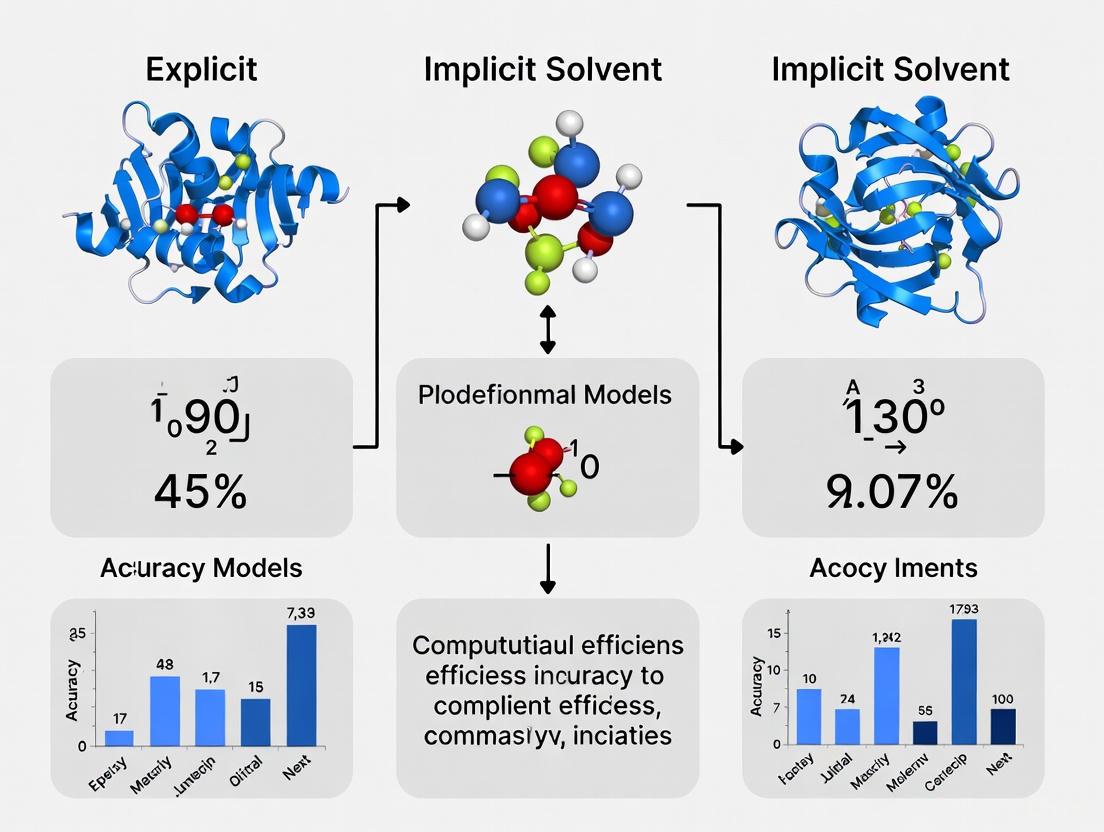
Explicit vs. Implicit Solvent Models in Protein Folding: A Comprehensive Guide to Accuracy, Speed, and Application
This article provides a detailed comparison of explicit and implicit solvent models for protein folding simulations, tailored for researchers and drug development professionals.
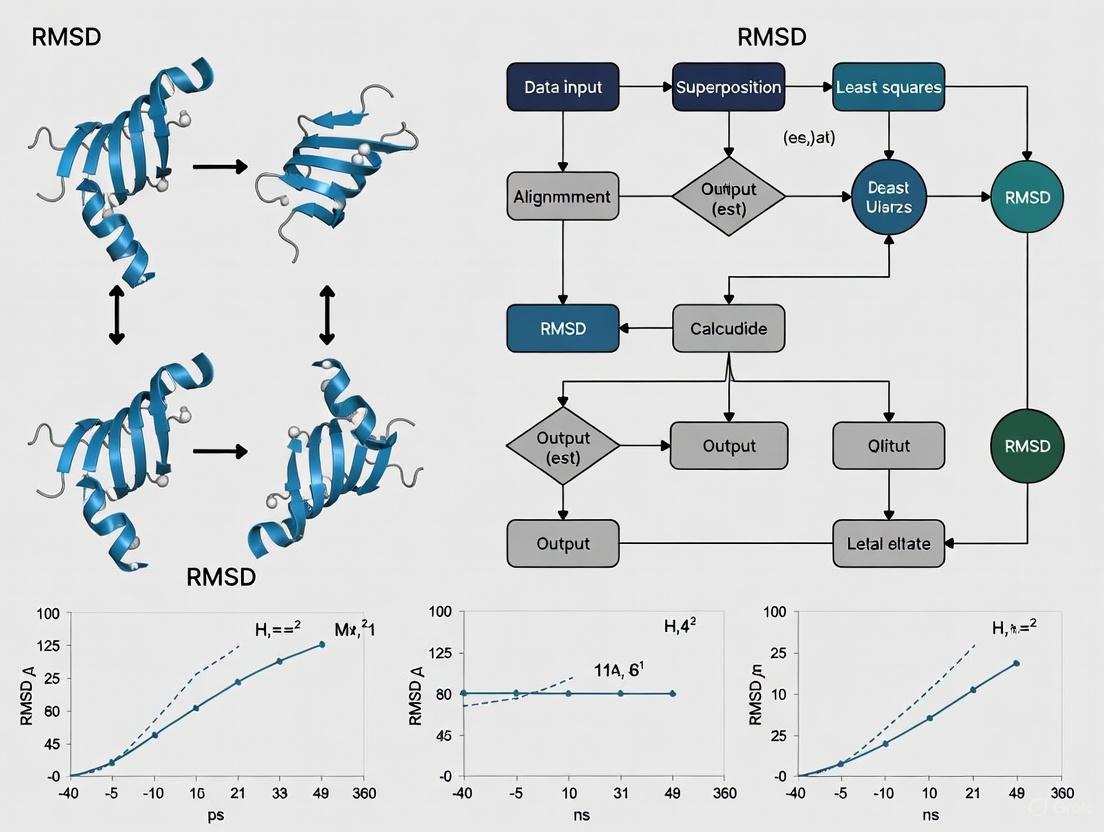
A Practical Guide to RMSD Analysis: Validating Molecular Dynamics Simulations in Biomedical Research
This comprehensive guide details Root Mean Square Deviation (RMSD) analysis for validating Molecular Dynamics (MD) simulations, a critical technique in computational biology and drug development.

Validating Molecular Dynamics Simulations Against Experimental Protein Structures: A Comprehensive Guide for Biomedical Research
This article provides a comprehensive framework for validating molecular dynamics (MD) simulations against experimental protein structures, addressing critical needs for researchers and drug development professionals.
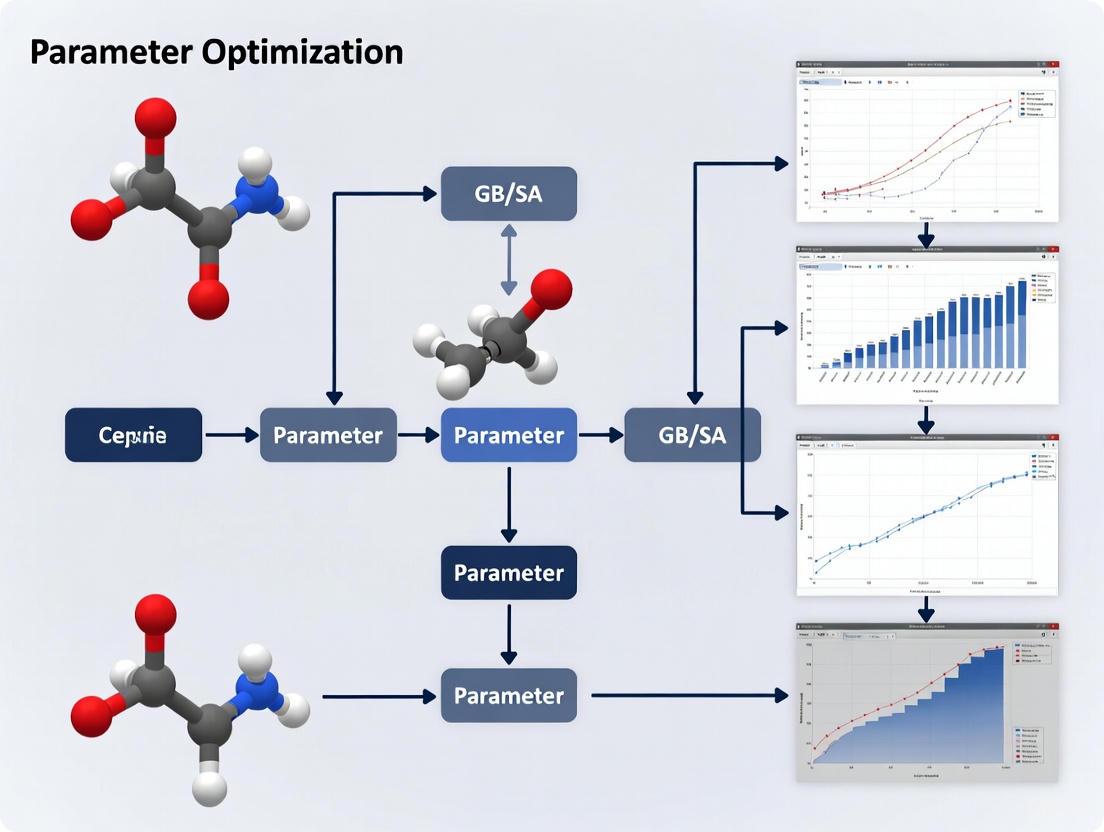
Optimizing GB/SA Implicit Solvent Models: A Guide for Enhanced Biomolecular Simulation and Drug Discovery
Implicit solvent models, particularly the Generalized Born with Surface Area (GB/SA) approach, are indispensable for achieving computational efficiency in biomolecular simulations.
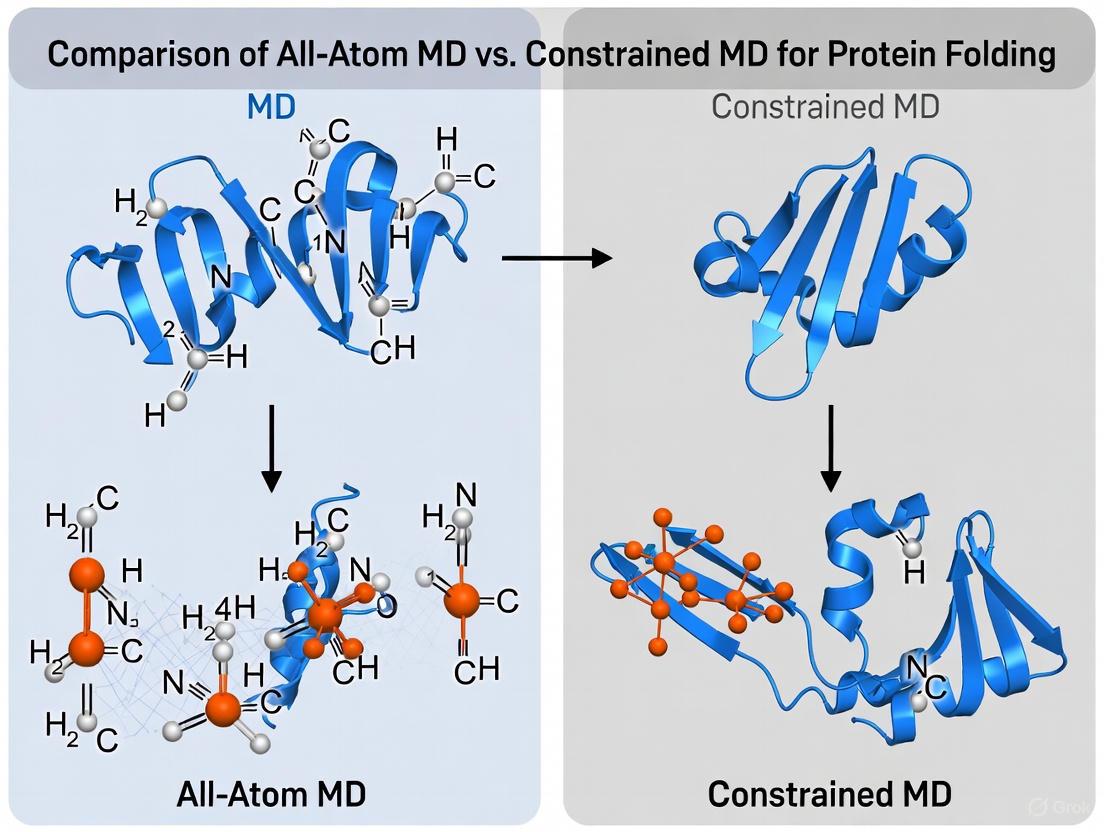
All-Atom vs. Constrained MD for Protein Folding: A Comprehensive Guide for Computational Biologists and Drug Developers
This article provides a comparative analysis of all-atom and constrained molecular dynamics (MD) simulations for studying protein folding, a process critical to understanding biological function and disease.

Mastering REMD Equilibration: A Practical Guide for Enhanced Sampling in Biomedical Research
This guide provides a comprehensive framework for achieving proper equilibration in Replica Exchange Molecular Dynamics (REMD), a critical enhanced sampling technique for studying complex biomolecular processes like protein folding and...