The Secret Life of Soil
Unlocking the Subtropical Potassium Treasure
Forget gold and diamonds; the real treasure for our farms lies hidden in the very dust beneath our feet.
Article Navigation
Introduction: The Invisible Engine of Our Food
Imagine a world where the soil, the very foundation of our food supply, slowly loses its ability to nourish the plants that feed us. This isn't a dystopian future; it's a quiet challenge faced in agricultural hubs worldwide, particularly in the subtropical regions responsible for a massive portion of global grain production. The key player in this drama is an element you might associate with bananas: Potassium (K).
Potassium is a crucial plant nutrient, regulating everything from water uptake to protein synthesis. But what if the soil itself holds vast reserves of potassium, locked away in microscopic mineral prisons? This article dives into the fascinating world of subtropical soils—specifically Argissolos (Acrisols)—to uncover how natural processes and farming practices can "liberate" this trapped potassium, transforming barren earth into fertile ground. We'll explore the mineralogical magic show happening under the surface and spotlight a key experiment that reveals how to manage this vital resource for a sustainable future.
The Great Potassium Lock-Up: Key Concepts
To understand the liberation, we must first understand the imprisonment. The story of potassium in subtropical Argissolos is a tale of two sources:
The Readily Available
A small fraction of potassium is dissolved in the soil water or loosely attached to clay particles. Plants can use this immediately, but it gets depleted quickly.
"Pocket Money"
The Structural Reserve
The vast majority of potassium is trapped inside the crystal structures of primary minerals like feldspar and mica. This is the treasure trove, inaccessible to plants under normal conditions.
"Fort Knox"
The secret to unlocking "Fort Knox" lies in mineral alteration—the natural weathering of rocks and minerals. In the warm, often acidic, and wet conditions of subtropical climates, this weathering process is accelerated. Rainwater, slightly acidic, slowly dissolves these mineral structures, breaking them down and, in the process, releasing the trapped potassium ions in a form plants can use .
However, intensive farming can disrupt this delicate balance. Harvesting crops removes potassium, and if we don't replenish it (with fertilizers), we risk mining the soil of its natural fertility. The big question for scientists is: How fast does this weathering and release happen, and how can we measure it?
A Deep Dive: The Experiment That Traced Potassium's Escape
To answer this question, researchers designed a clever experiment to simulate and measure the release of potassium from a typical subtropical Argissolo.
Methodology: Simulating Millennia in Months
The goal was to mimic the natural weathering process in a controlled lab setting. Here's how they did it, step-by-step:
- Soil Sampling: Scientists collected soil samples from a well-characterized Argissolo area, ensuring they had a representative mix of the soil's mineral composition.
- The "Weathering" Setup: They used a device called a column leaching system. The soil was packed into columns, and a specific solution was passed through it from top to bottom, just like water percolates through soil in nature.
- The Leaching Agent: Instead of pure water, they used a weak acid (like citric acid) to simulate the acidic conditions of subtropical rains and soils.
- Controlled Conditions: The experiment was run for several weeks. The liquid that drained from the bottom of the columns (the "leachate") was collected at regular intervals.
- Analysis: This leachate was then analyzed to measure the amount of potassium that had been weathered out of the soil minerals and carried by the solution .
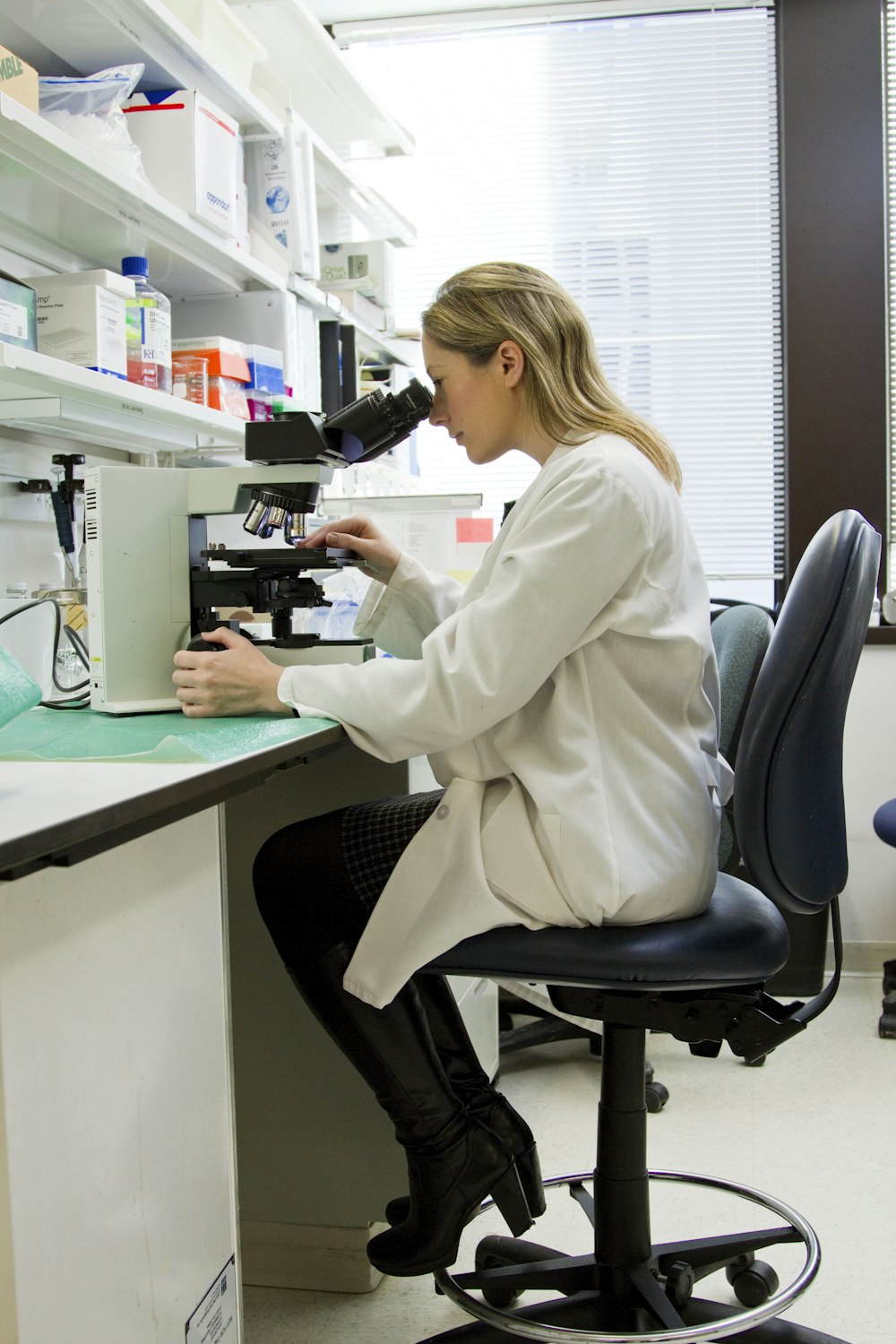
A laboratory setup similar to column leaching systems used in soil science research
Results and Analysis: Reading the Soil's Diary
The results were a clear record of the soil's hidden activity. Scientists found that potassium was not released at a constant rate. There was an initial rapid release, followed by a slower, more sustained release over time.
The Initial Burst
This was likely the "easily accessible" potassium from the edges of minerals and from clay surfaces.
The Slow Trickle
This represented the real prize—the potassium being slowly liberated from the interior structures of resistant minerals like feldspar.
This pattern confirmed that these subtropical soils have a significant, albeit slow-releasing, capacity to supply potassium to plants. The experiment's importance lies in its ability to quantify this release, providing crucial data to create sustainable fertilizer models and prevent soil degradation .
The Data: A Story in Numbers
The following tables and visualizations summarize the kind of data generated by such an experiment, illustrating the process and its outcomes.
Potassium Release Over Time
This table shows how the cumulative amount of potassium released from the soil increases over time, with the rate of release slowing down.
| Leaching Interval (Days) | Cumulative K Released (mg/kg) | Release Rate (mg/kg/day) |
|---|---|---|
| 7 | 45.2 | 6.46 |
| 14 | 68.1 | 3.27 |
| 30 | 95.8 | 1.85 |
| 60 | 124.5 | 1.43 |
Sources of Released Potassium
This chart breaks down where the released potassium originally came from within the soil's complex structure.
Impact of Soil pH on Potassium Release
This visualization demonstrates how the soil's acidity (pH) directly influences the rate of potassium liberation.
Potassium Release Timeline
This interactive chart shows how potassium release changes over time, with the initial burst followed by a slow trickle.
The Scientist's Toolkit: Probing the Soil's Secrets
What does it take to uncover these secrets? Here are some of the key tools and reagents used in this field of research.
Column Leaching Apparatus
A miniaturized, controlled environment to simulate years of rainfall and weathering in just a few weeks.
Weak Acid Solutions
Mimics the natural acidity of rainwater and plant root exudates, acting as the "key" that dissolves minerals.
Inductively Coupled Plasma Spectrometer (ICP)
A high-tech instrument that acts as a "mineral detective," precisely measuring the concentration of potassium in liquid samples.
X-Ray Diffractometer (XRD)
Shoots X-rays at soil samples to identify the specific minerals present, like taking the soil's fingerprint.
Conclusion: From Laboratory to Land
The silent, slow-motion drama of potassium liberation in subtropical Argissolos is more than just an academic curiosity—it's the key to our agricultural resilience. By understanding the mineralogical changes and the rates at which this vital nutrient is released, we can move away from a simple "fertilize and forget" approach.
This knowledge empowers farmers and agronomists to:
Precision Fertilization
Apply potassium fertilizer more strategically, reducing costs and environmental impact.
Soil Conservation
Adopt practices that enhance the soil's natural ability to weather minerals and recycle nutrients.
Long-Term Sustainability
View the soil as a dynamic, living reservoir of fertility that we must actively manage.
The next time you see a lush, green field in a subtropical landscape, remember the incredible, invisible work happening below. It's a world where minerals slowly crumble, releasing the precious potassium that fuels the growth above—a natural treasure being unlocked by science, one ion at a time.